
Temples in Kuala Lumpur: 20 Temples, Mosques and Churches to Visit
Last updated: October 2026
The temples in Kuala Lumpur reflect the city's mix of Malay, Chinese, Indian and other communities, and most of them welcome respectful visitors free of charge. Within a few streets of Chinatown you can visit a 19th-century Taoist temple, a Hindu temple with a five-tier gate tower and a mosque at the river confluence where the city began. Further out are the cave shrines of Batu Caves and the large modern mosques of Putrajaya and Shah Alam.
This guide covers 20 places of worship in and around Kuala Lumpur: Hindu temples, Chinese and Buddhist temples, mosques, churches and a gurdwara. Each entry lists opening or visiting hours, entry fees, dress code and etiquette, all checked in October 2026. Mosques open to non-Muslims only at set times between prayers, so check those windows before you go.
Jump to a place (6)
Hindu Temples in Kuala Lumpur
KL's Hindu temples follow South Indian traditions, with carved gopuram gate towers and busy morning and evening pujas. Shoes always come off at the entrance.
Batu Caves (Sri Subramaniar Swamy Temple)
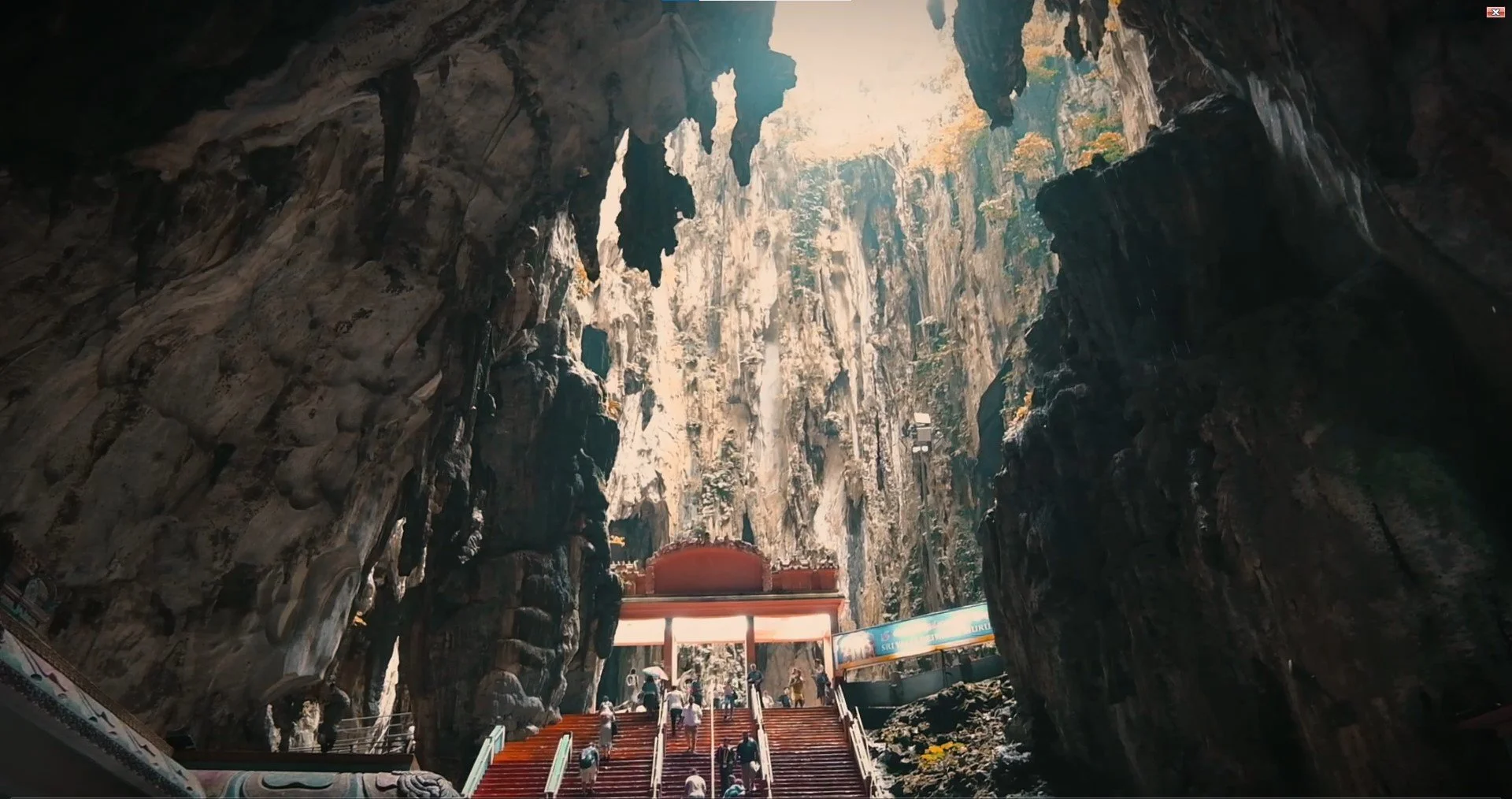
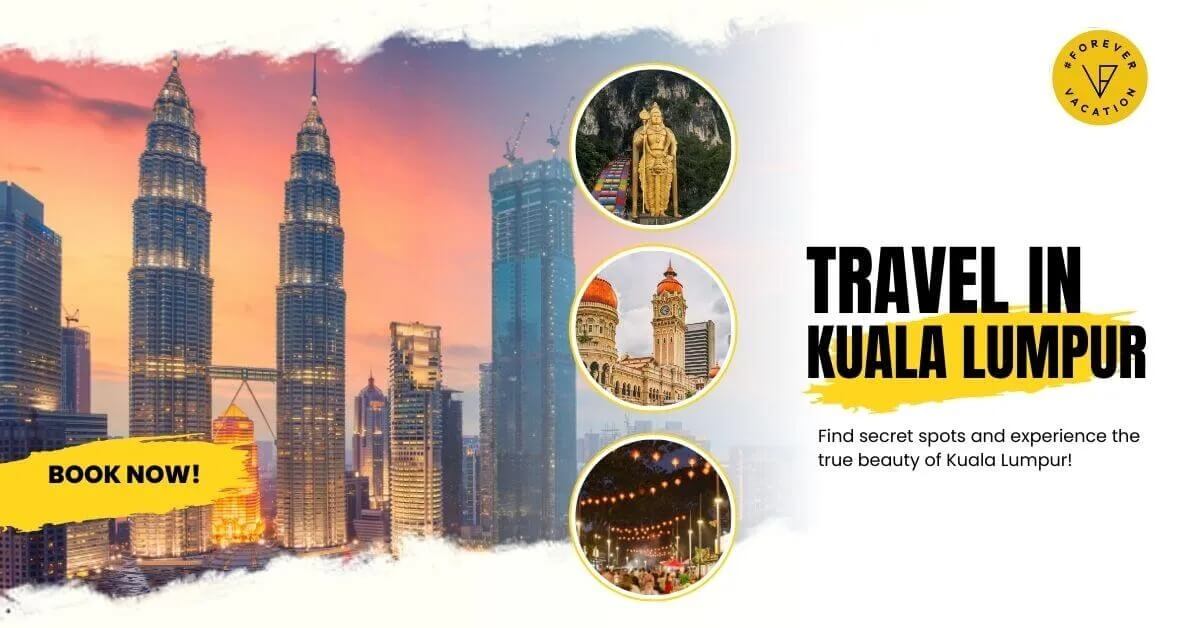
Batu Caves is a limestone hill about 13 km north of the city centre and the most visited Hindu shrine in Malaysia. A 42.7-metre gold-painted statue of Lord Murugan stands at the foot of the 272 rainbow-painted steps, which climb to the Temple Cave, a high limestone chamber with shrines to Murugan and other deities. Entry to the Temple Cave is free. The Ramayana Cave and Cave Villa at the base are separately run and charge a small fee. See our KL attractions guide for how Batu Caves fits into a wider day out.
The dress code is enforced at the bottom of the stairs: shoulders and knees must be covered, and visitors in shorts are asked to rent a sarong from the stalls (around RM5, part refunded on return). Long-tailed macaques live on the steps and grab food and plastic bags, so keep both out of sight. Arrive before 9 am to climb in the cool and ahead of tour groups. During Thaipusam (January or February) more than a million devotees arrive, so plan around it unless you want to see the festival. The KTM Komuter Batu Caves line terminates a short walk from the entrance.
Sri Mahamariamman Temple
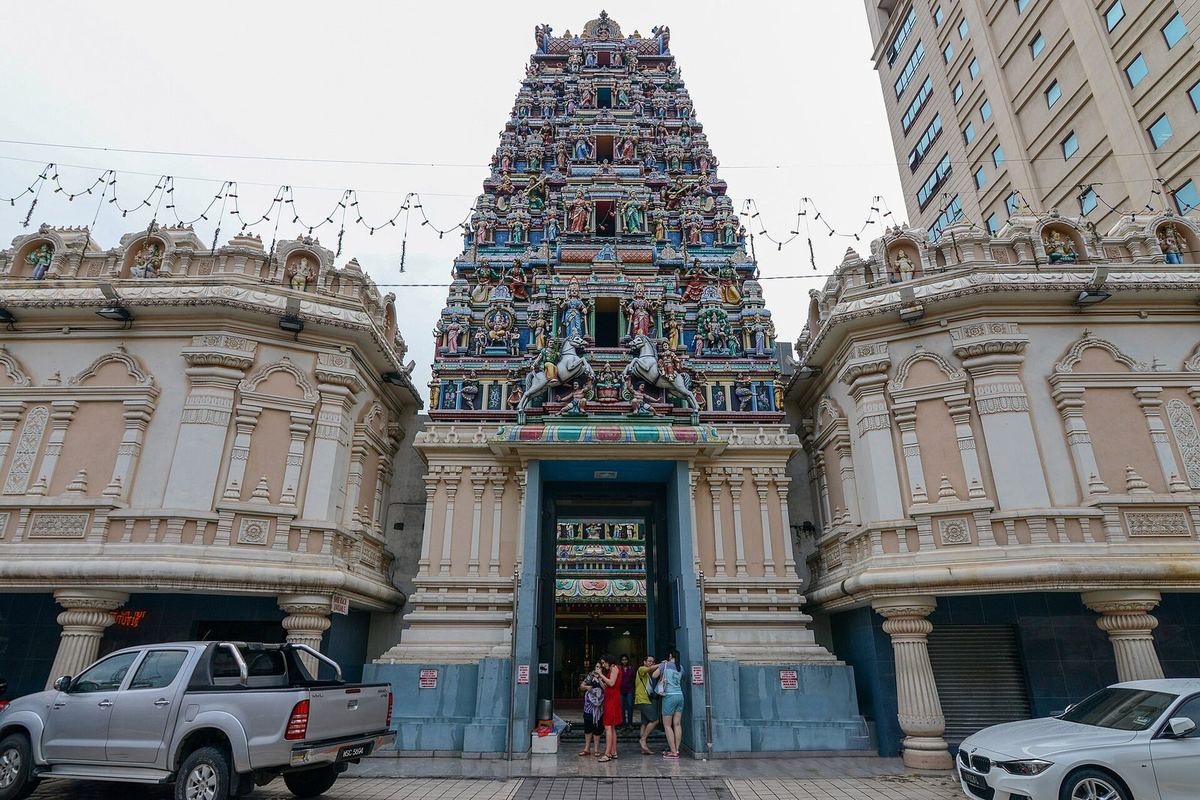
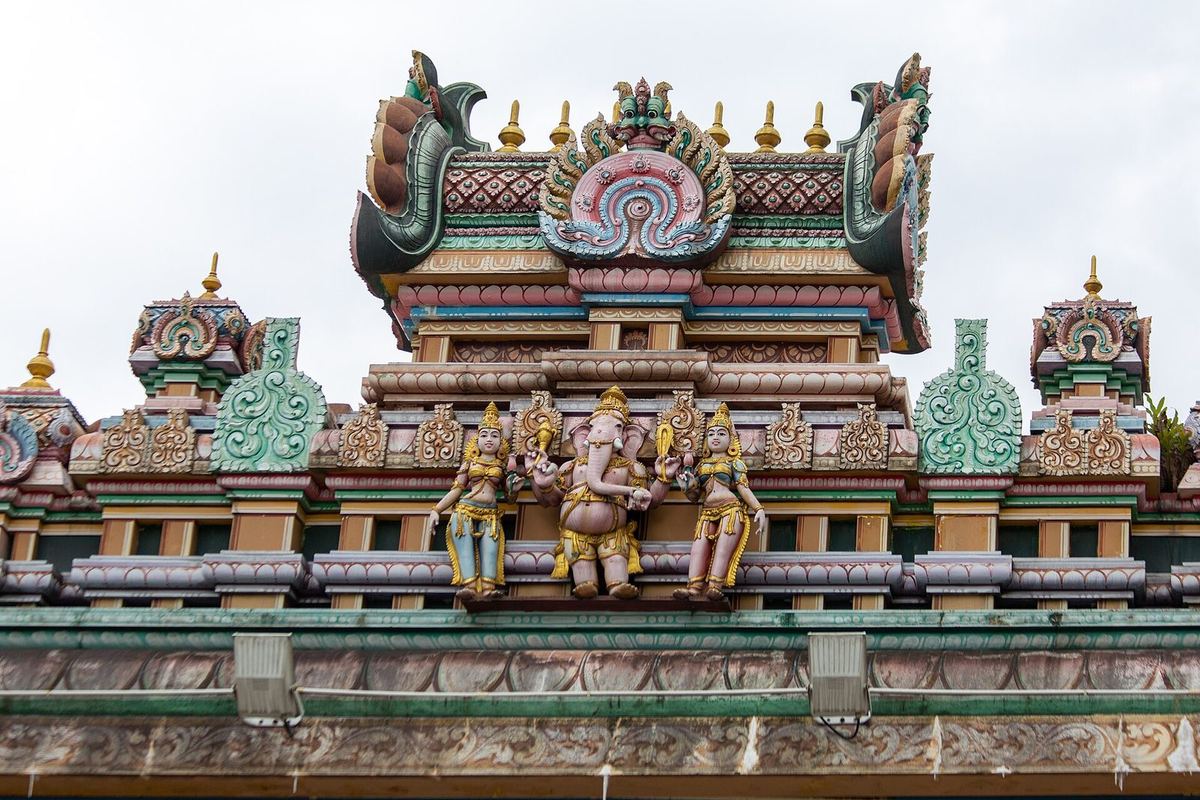
Founded in 1873, Sri Mahamariamman is the oldest functioning Hindu temple in Kuala Lumpur and moved to its current Chinatown site in the 1880s. The entrance is marked by a five-tier gopuram (gate tower) covered in painted figures of Hindu deities. The temple is dedicated to Mariamman, the mother goddess, and keeps the silver chariot that carries Lord Murugan to Batu Caves during Thaipusam.
Shoes are left at the counter by the entrance for a small fee. Visitors may walk around the main hall, but stay back from the inner sanctum and ask before photographing worshippers or priests. The evening puja is the most atmospheric time to come. The temple sits across the road from Guan Di Temple and a five-minute walk from Pasar Seni LRT/MRT station, so it combines easily with a Petaling Street walk.
Sri Kandaswamy Kovil
Sri Kandaswamy Kovil was built in 1902 by the Sri Lankan Tamil community and is dedicated to Lord Murugan. The temple follows the Jaffna Tamil style, with detailed stone and stucco carving around the shrines, and was reconsecrated in a Maha Kumbabishegam ceremony in 2023 after major restoration work.
It is a working temple with regular pujas through the day, and it closes between lunchtime and 5 pm, so time a visit for the morning or evening. Remove shoes at the entrance, keep voices low and do not step in front of devotees during prayers. Brickfields (Little India) is a 10-minute walk from KL Sentral, and the temple pairs well with the Buddhist Maha Vihara and the Church of the Holy Rosary nearby.
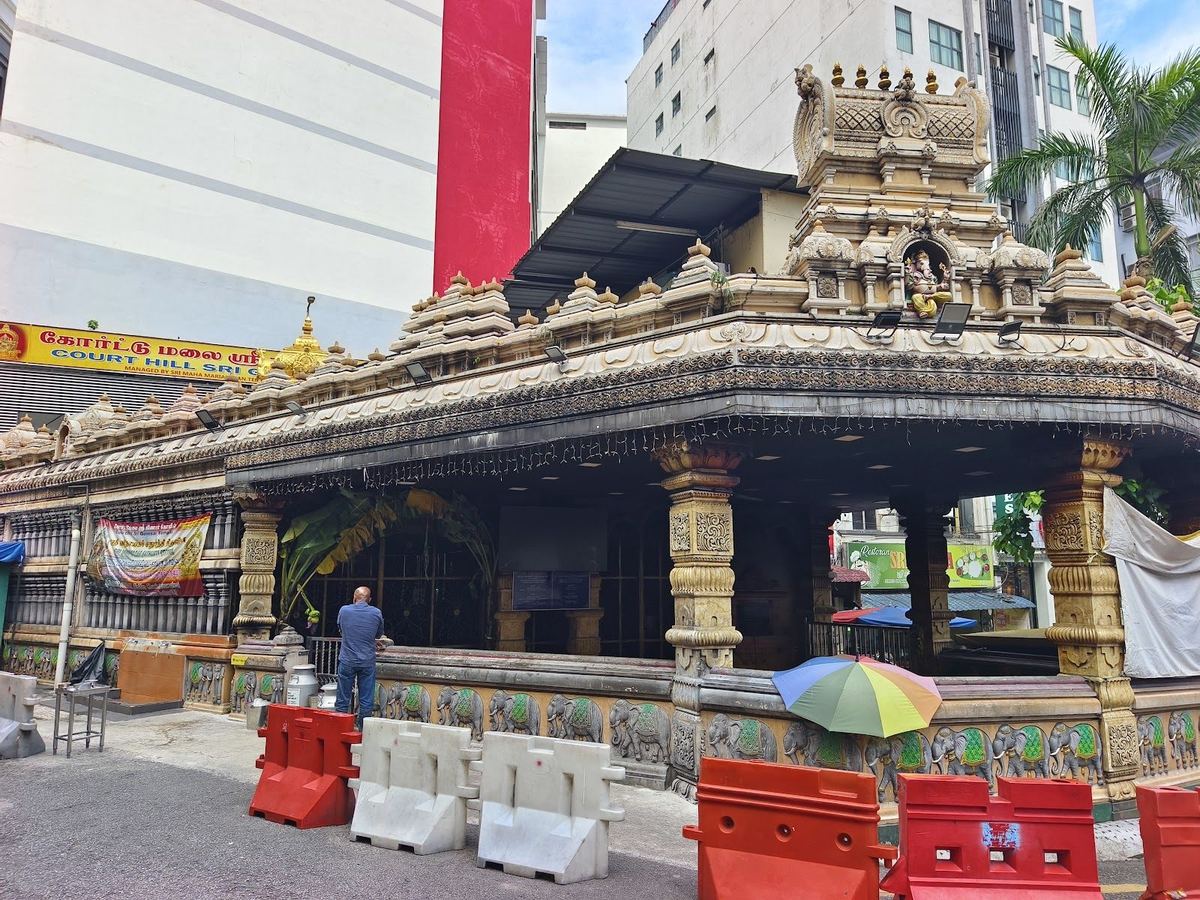
Court Hill Sri Ganesar Temple
This small temple dedicated to Ganesha dates from 1897 and is one of the oldest Hindu shrines in the city. It sits on a corner of Jalan Pudu Lama among office blocks, and on weekday mornings you will see workers stopping on their commute to pray and to smash coconuts at the shrine, a ritual offering to remove obstacles.
There is little to linger over architecturally, but it is a good place to see everyday devotion in central KL. Keep to the edges, remove your shoes and avoid photographing people at prayer. It is a five-minute walk from Masjid Jamek LRT station and the Pasar Seni and Chinatown area.
Chinese and Buddhist Temples in Kuala Lumpur
Chinese temples in KL range from small 19th-century Taoist shrines in Chinatown to large modern complexes. Theravada temples serve the Sri Lankan and Thai communities.
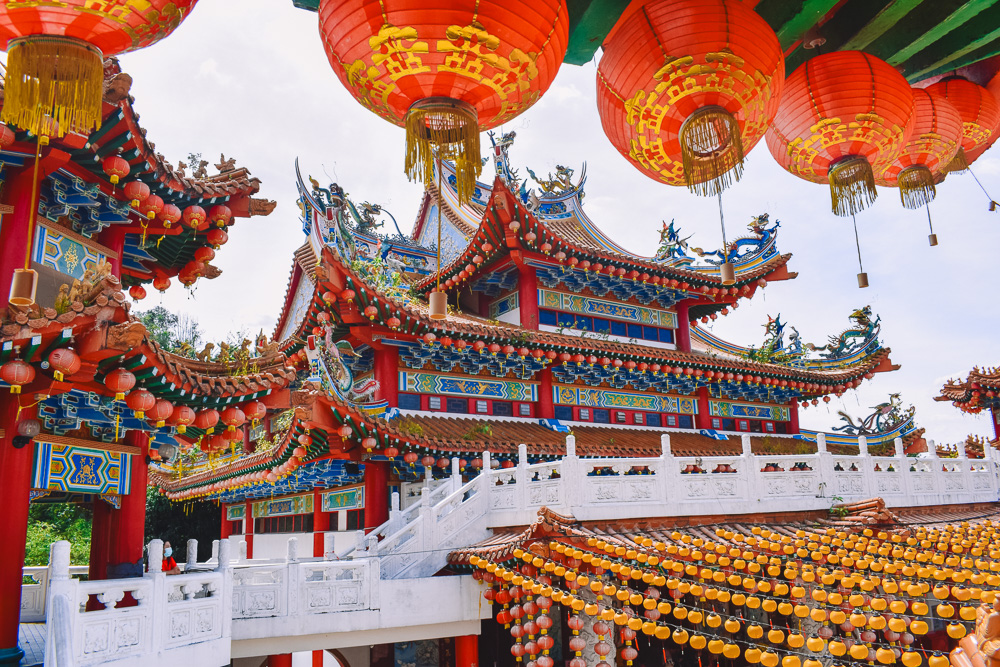
Thean Hou Temple
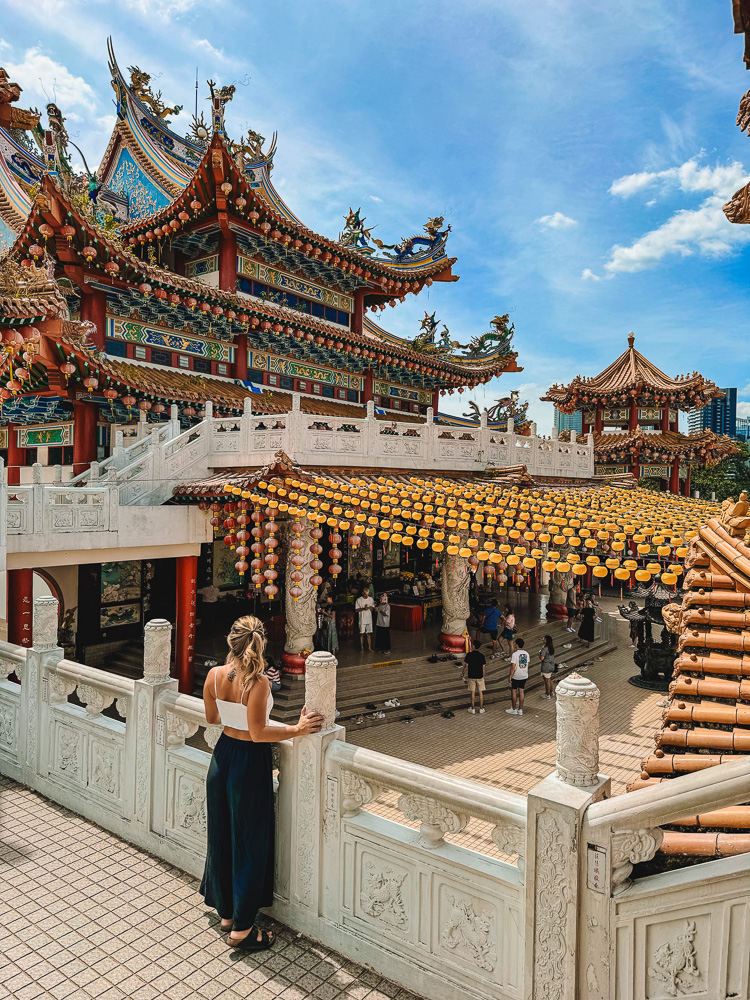
Thean Hou Temple is a six-tiered Chinese temple built by the Hainanese community and opened in 1989. It is dedicated to Tian Hou (Mazu), the sea goddess, with side altars to Guan Yin and Shui Wei Sheng Niang. Its red pillars, curved roofs and rows of lanterns make it the most photographed Chinese temple in the city, and it combines Buddhist, Taoist and Confucian elements. Read more on our KL attractions page.
Entry is free. Visitors can draw fortune sticks in the main hall and walk the garden of Chinese zodiac statues below the temple. The lanterns multiply around Chinese New Year and the Mid-Autumn Festival, when it is very busy in the evenings. The temple is not on a rail line: take a 10-minute Grab from KL Sentral, or walk about 20 minutes uphill from Tun Sambanthan monorail station.
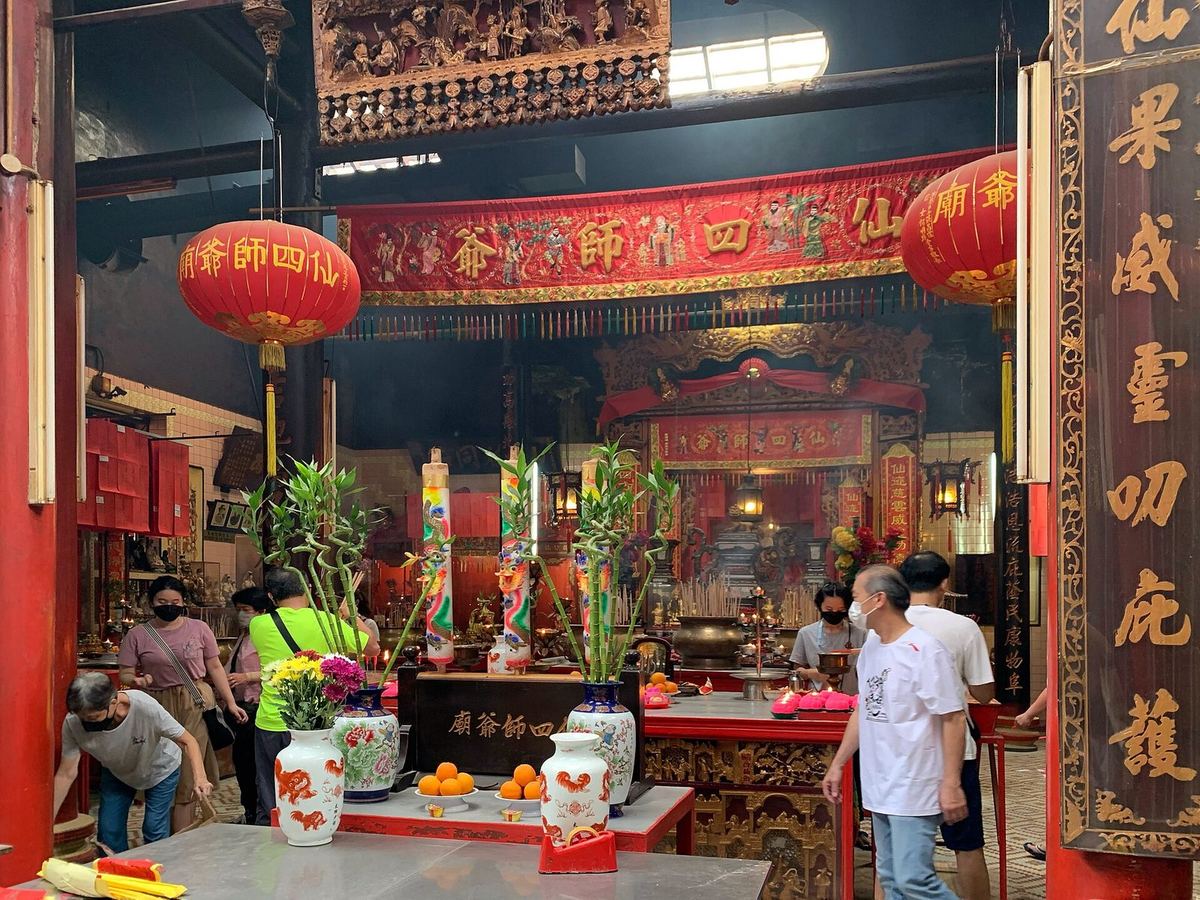
Sin Sze Si Ya Temple
Founded in 1864 by Kapitan Yap Ah Loy, the Chinese headman who did much to build early Kuala Lumpur, Sin Sze Si Ya is the oldest Taoist temple in the city. It honours two deified figures, Sin Sze Ya and Si Sze Ya, and a portrait of Yap Ah Loy himself is kept inside. The building sits at an angle to the street for feng shui reasons and is tucked behind shophouses, so it is easy to walk past.
Inside, coils of incense hang from the ceiling and worshippers consult fortune sticks at the main altar. Entry is free, and visitors are welcome to look around quietly. It is a three-minute walk from Pasar Seni station and a short stroll from Central Market and Petaling Street.
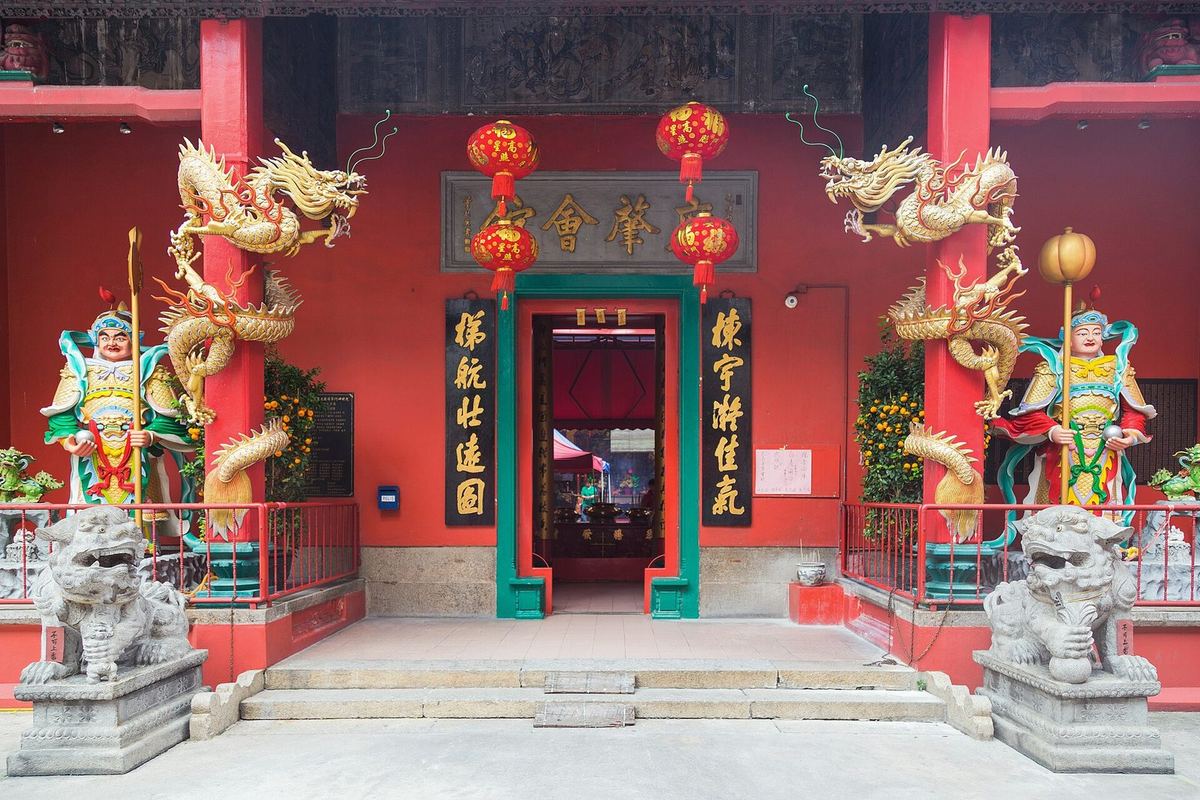
Guan Di Temple
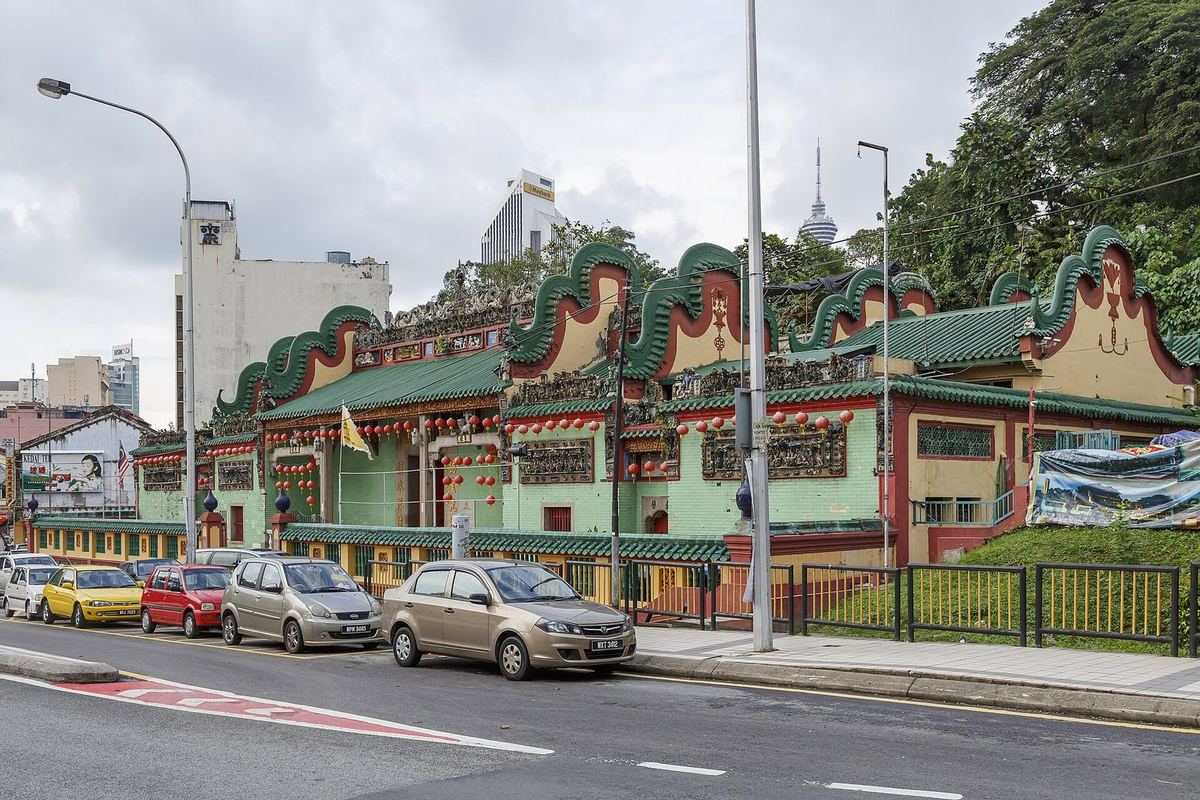
Built in 1888 by the Kwong Siew Association, this Cantonese temple is dedicated to Guan Di (Guan Yu), the general revered as a god of war, loyalty and literature. The red-and-gold hall faces Sri Mahamariamman Temple across the road, a pairing that sums up the mix of faiths in old Chinatown.
The temple's best-known feature is a heavy bronze guandao (halberd) beside the altar; visitors lift or touch it for luck. Expect smoke from large incense coils and a steady flow of worshippers. Entry is free. Pasar Seni station is five minutes away on foot.
Chan She Shu Yuen Clan Temple
Chan She Shu Yuen is the ancestral hall of the Chan, Chen and Tan clans, completed in 1906 at the southern end of Jalan Petaling. It is one of the finest examples of southern Chinese clan architecture in the city: look up at the roof ridges, which are lined with glazed Shiwan ceramic figures of scenes from Chinese legend.
Inside are ancestral tablets and an altar to the clan's founding ancestors. It is usually quiet, which makes it a calm break from the Petaling Street crowds. Entry is free; opening hours are not formally published, so arrive before 5 pm. Maharajalela monorail station and Pasar Seni station are both about a 10-minute walk away.
Buddhist Maha Vihara
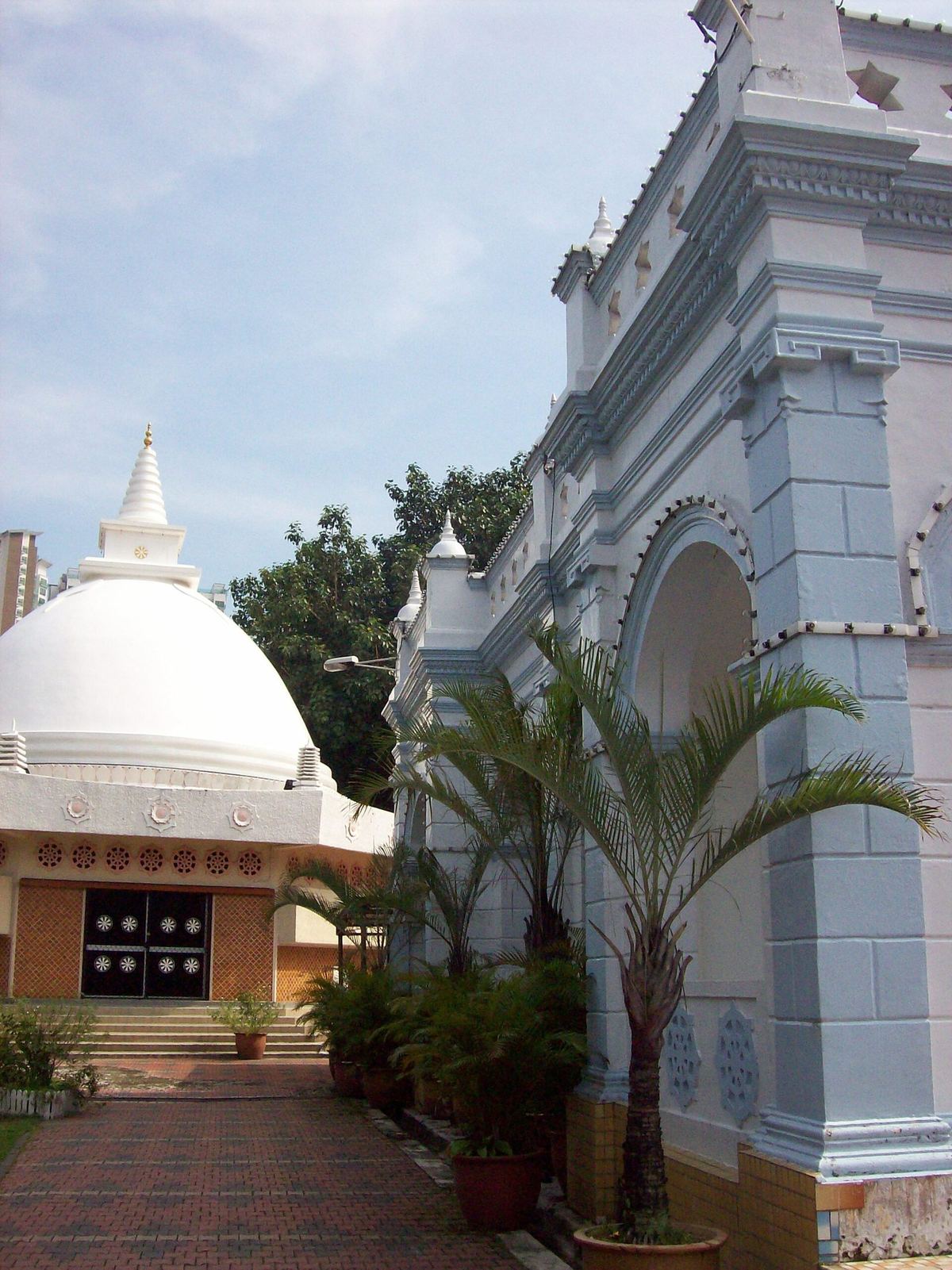
The Buddhist Maha Vihara was founded in the 1890s by the Sinhalese community and is the main Theravada temple in Kuala Lumpur. The white shrine hall holds a large seated Buddha, and the grounds include a stupa, a bodhi tree and several smaller shrines. It is the starting point for KL's Wesak Day procession, when tens of thousands of devotees gather.
Visitors are welcome in the shrine hall with shoes removed and dress modest. The temple runs meditation classes and Dhamma talks; check the notice board or its website for the current timetable. It is a 10-minute walk from KL Sentral and close to Sri Kandaswamy Kovil.
Wat Chetawan
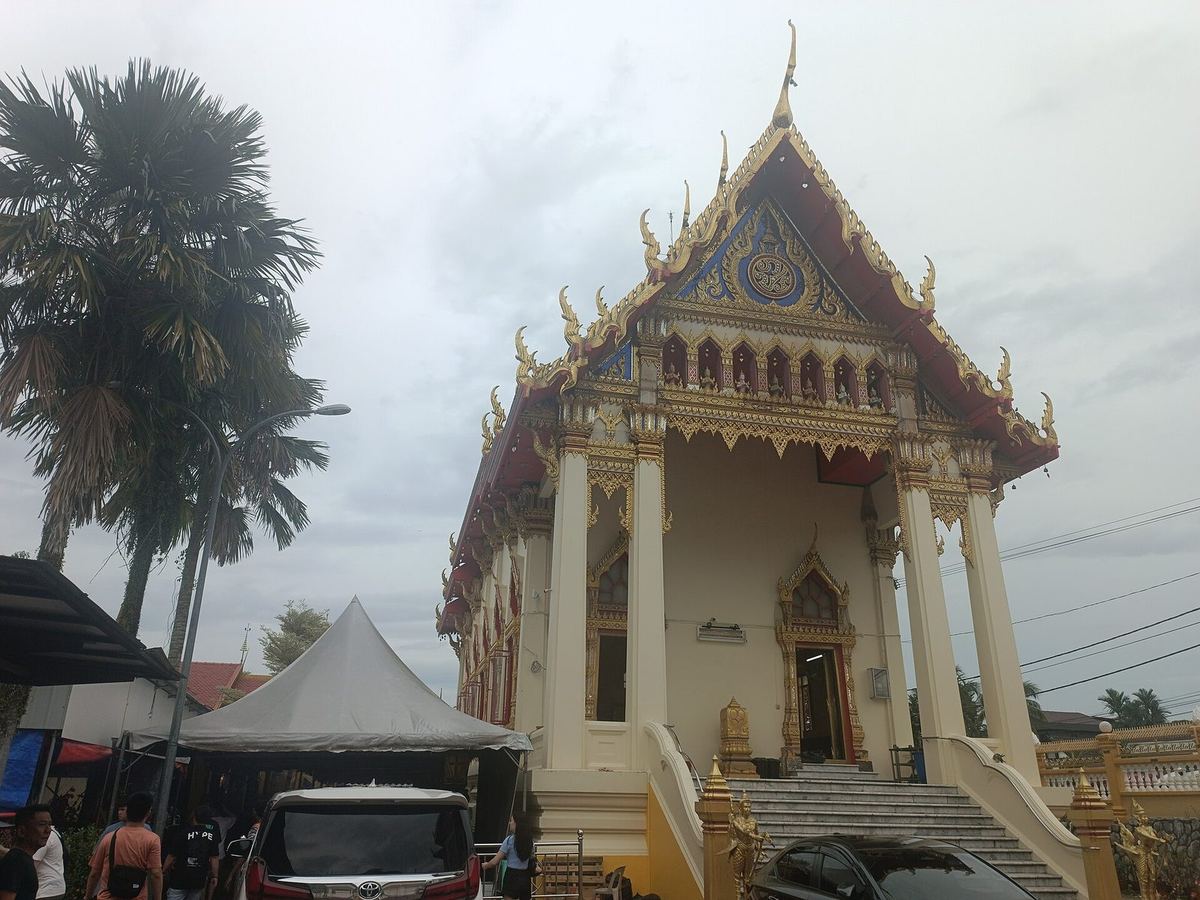
Wat Chetawan is a Thai Theravada temple in Petaling Jaya with a main shrine hall built in classic Thai style: steep multi-tiered roofs, gilded gables and naga (serpent) finials. The temple was built with support from the Thai community and royal family and is one of the best places near KL to see Thai temple architecture.
Inside the hall is a golden seated Buddha; outside are smaller shrines, a pavilion with a four-faced Brahma image and gardens. Shoes come off before entering any building. Published hours vary between sources, so it is safest to visit between 9 am and 5 pm. It is about 20 minutes by Grab from central KL.
Mosques in and around Kuala Lumpur
Major mosques welcome non-Muslim visitors outside prayer times and lend robes and headscarves free of charge. Friday midday is reserved for congregational prayer.
Masjid Negara (National Mosque)
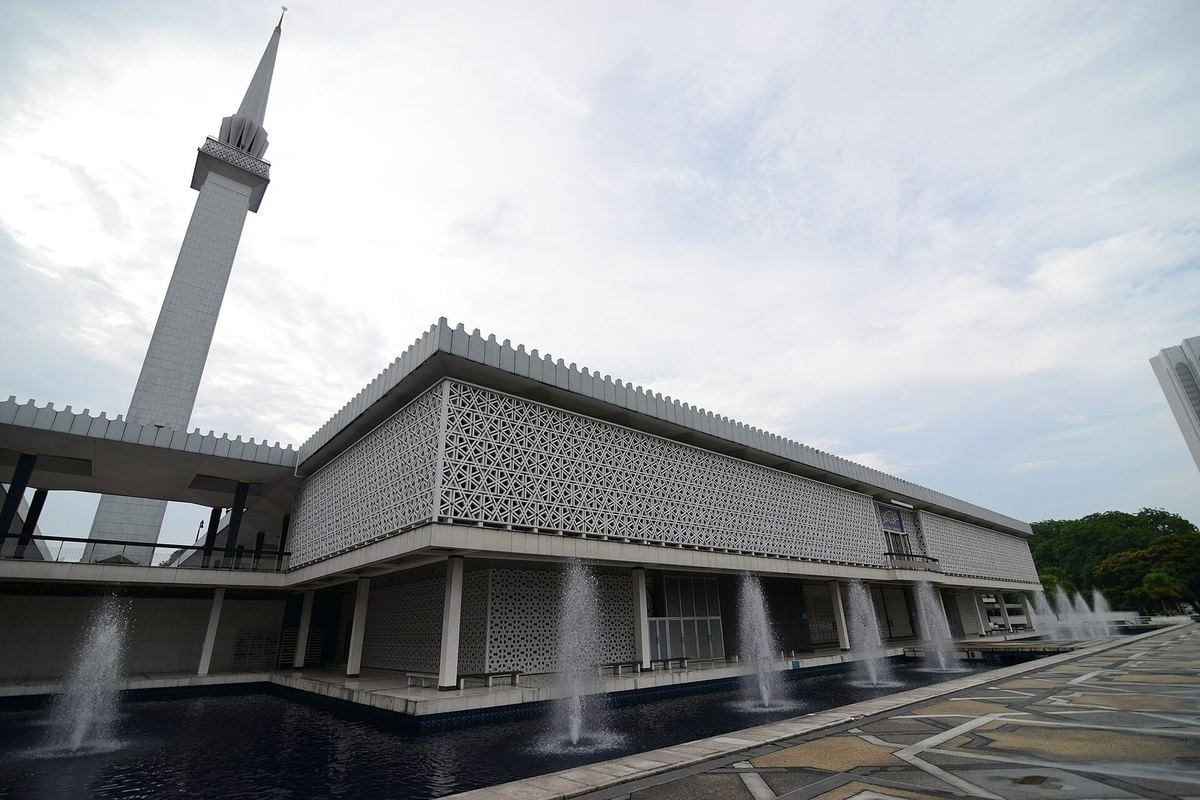
The National Mosque opened in 1965 and was one of the first major buildings of independent Malaysia. Its roof is a folded concrete star with 18 points, said to represent the 13 states and five pillars of Islam, and a 73-metre minaret rises beside it. The prayer hall holds around 15,000 people.
Non-Muslim visitors enter through the visitor entrance, where robes and headscarves are lent free of charge. Remove shoes before the carpeted areas. Visitors can walk the verandahs and courtyards and view the main prayer hall from its edge, but may not enter the hall itself. The visiting windows close for prayers, so arrive at the start of a slot. It is a five-minute walk from the Kuala Lumpur KTM station and about 10 minutes from Pasar Seni.
Masjid Jamek Sultan Abdul Samad
Completed in 1909 to a design by British architect Arthur Benison Hubback, Masjid Jamek stands at the confluence of the Klang and Gombak rivers, the spot where Kuala Lumpur was founded. Its red-brick and white-plaster arches, onion domes and slender minarets follow the Indo-Saracenic (Mughal Revival) style also seen on the nearby Sultan Abdul Samad Building.
Robes and headscarves are provided at the visitor counter, and shoes are left on racks outside. The mosque closes to non-Muslim visitors during prayers and on Fridays. In the evening, the River of Life walkway beside the mosque is lit blue, which is best seen from the riverbank. Masjid Jamek LRT station is next door. More on our KL attractions page.
Masjid Wilayah Persekutuan (Federal Territory Mosque)
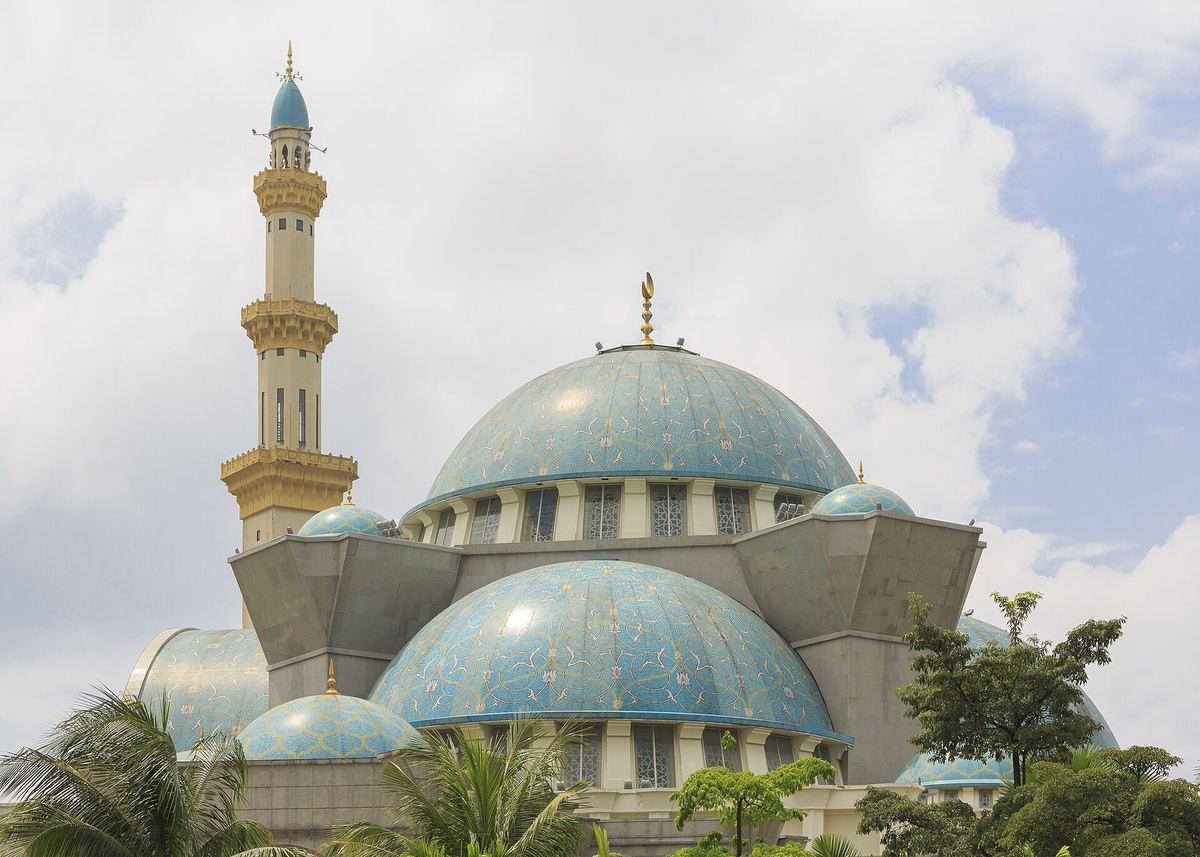
Completed in 2000, the Federal Territory Mosque blends Ottoman and Malay design, and its cluster of blue domes is often compared to the Blue Mosque in Istanbul. It sits beside a lake near the government offices on Jalan Duta and holds around 17,000 worshippers.
The mosque runs a free visitor tour programme of about 45 minutes covering its architecture and an introduction to Islam. Go to Door B (Anjung B), where volunteers lend robes and headscarves. Visitors can sometimes observe the midday congregational prayer from a viewing area, which few mosques allow. It is about 15 minutes from the city centre by Grab; groups should email ahead.
Masjid Putra (Putra Mosque)
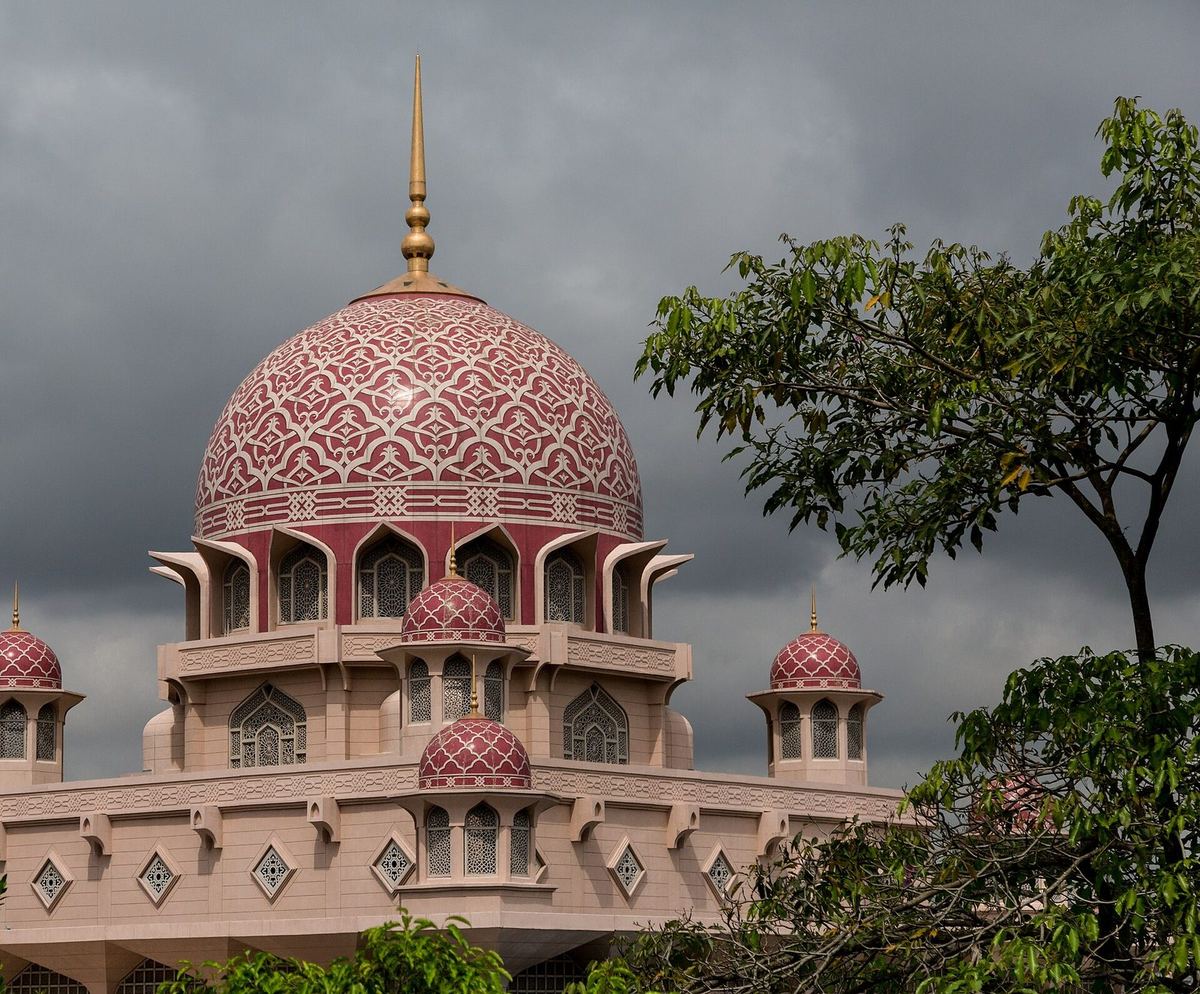
The pink-domed Putra Mosque, completed in 1999, is built from rose-tinted granite and stands on the edge of Putrajaya Lake beside Dataran Putra and the Prime Minister's office. Its design draws on Persian, Malay and Middle Eastern styles, and its minaret is one of the tallest in the region.
Robes are provided at the visitor entrance. Non-Muslims can see the courtyard and view the prayer hall from its edge. Putrajaya is about 40 minutes from central KL: take the KLIA Transit train to Putrajaya Sentral, then a bus or Grab, or book a Grab directly. Combine it with the Iron Mosque and a lake cruise.
Masjid Tuanku Mizan Zainal Abidin (Iron Mosque)
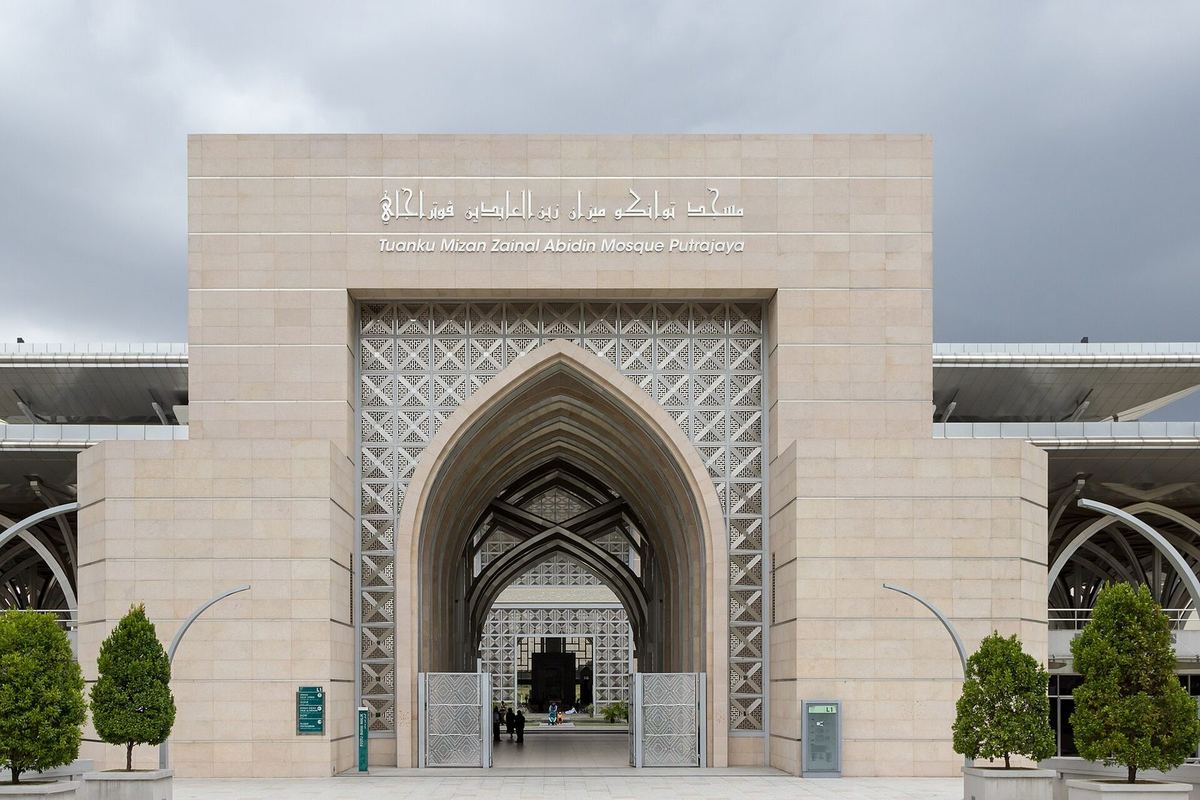
Known locally as Masjid Besi (the Iron Mosque), this mosque opened in 2009 and is built largely from steel. The prayer hall is wrapped in a fine stainless-steel mesh screen inspired by mashrabiya lattice, and the open, light-filled interior is very different from the domed mosques elsewhere in the capital.
Visiting hours match those at Putra Mosque, and modest clothing covering arms and legs is expected. It sits across the road from the Palace of Justice in Precinct 3, about 10 minutes by car from Putra Mosque, so most visitors see both on one trip.
Masjid Sultan Salahuddin Abdul Aziz Shah (Blue Mosque)
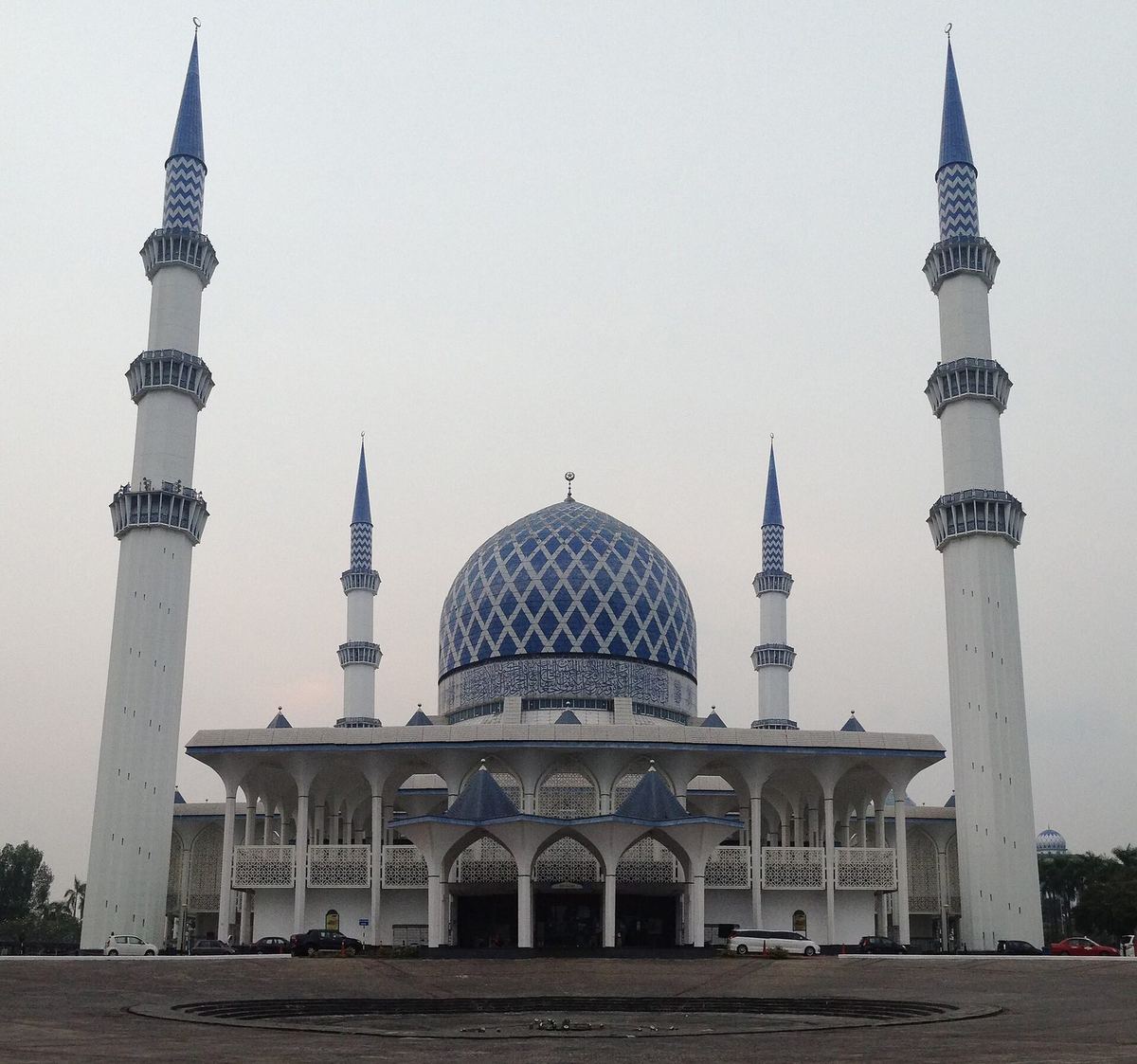
The state mosque of Selangor opened in 1988 and is known as the Blue Mosque for its huge blue-and-silver dome, one of the largest mosque domes in the world. Four minarets frame the building, and the prayer hall holds around 24,000 people.
Free guided visits for non-Muslims are run from the visitor centre, where women are lent robes and headscarves; men need long trousers. Note that the mosque is closed to visitors at weekends and on public holidays. Shah Alam is about 35–45 minutes from central KL by car or Grab.
Churches in Kuala Lumpur
KL's oldest churches date from the British colonial period and are still active parishes, so time visits around services.
St Mary's Cathedral
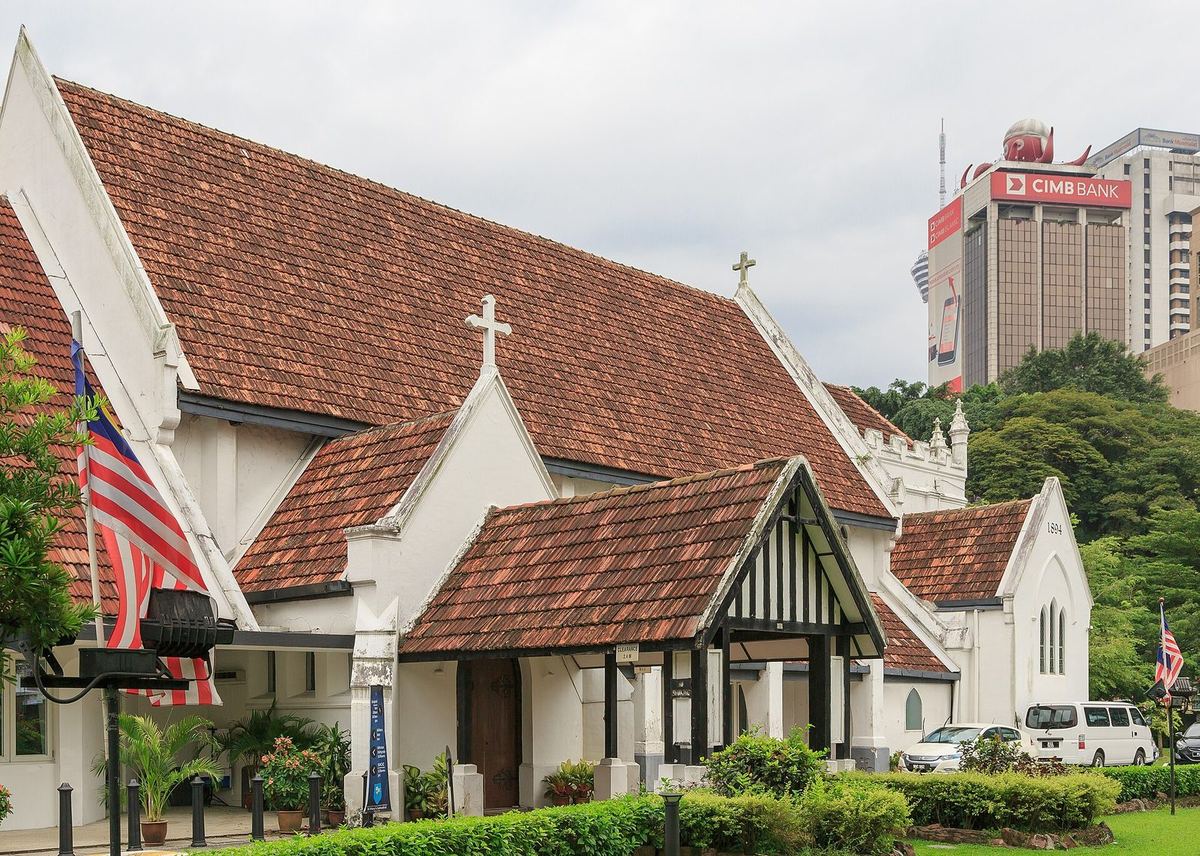
St Mary's is an Anglican cathedral built in 1894 in English Gothic Revival style, on the edge of Dataran Merdeka facing the Royal Selangor Club. It is one of the oldest churches in Kuala Lumpur, and its pipe organ, built by the English firm Henry Willis & Sons, dates from the 1890s.
Visitors are welcome to step inside quietly when no service is under way; the main English services run on Sunday mornings. Dress modestly and avoid photography during worship. Masjid Jamek LRT station is a three-minute walk, and the cathedral fits easily into a walk around Merdeka Square.
Cathedral of St John the Evangelist
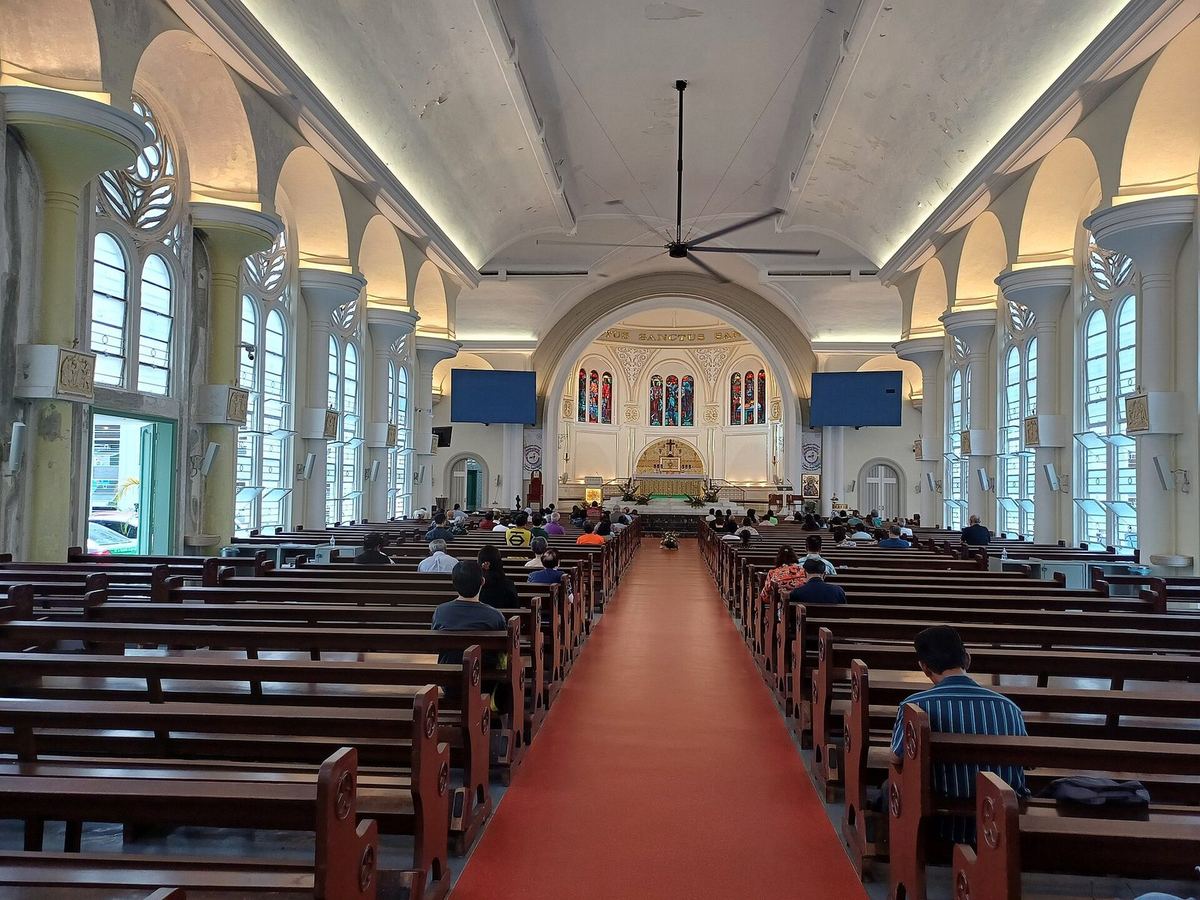
St John's is the mother church of the Catholic Archdiocese of Kuala Lumpur. The parish began in 1883 with a wooden chapel on the slopes of Bukit Nanas; the present whitewashed Gothic-style church with twin spires was completed in the 1950s and became a cathedral in 1962. Stained-glass windows made in France show scenes from the life of St John.
The church is open for daily and weekend Masses, and visitors are welcome to sit in quietly outside service times. The older church building next door is being restored as an archdiocesan museum. Bukit Nanas monorail station is a three-minute walk.
Church of the Holy Rosary
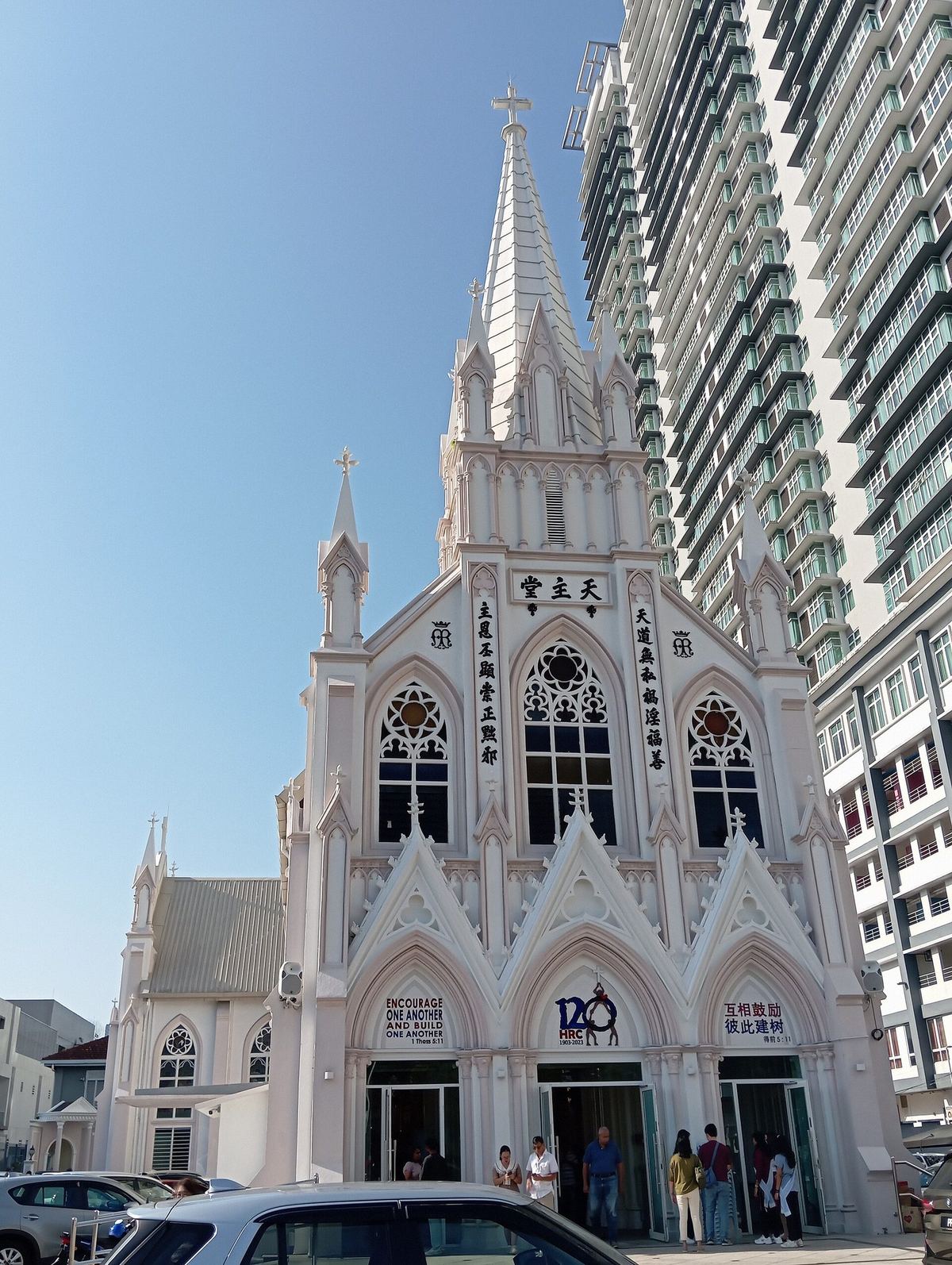
Built in 1903–1904 by French missionaries for the city's Chinese Catholic community, the Church of the Holy Rosary is one of the best examples of neo-Gothic architecture in Malaysia. Its pointed arches, spire and stained-glass windows of the five Joyful Mysteries of the Rosary contrast with the modern towers of KL Sentral around it.
Visitors can look around the grounds and step inside quietly when the church is open. Masses are held in several languages, including Mandarin. The church is a short walk from KL Sentral and from the Brickfields temples listed above.
Sikh Gurdwara in Kuala Lumpur
Kuala Lumpur has a long-established Sikh community, and its main gurdwara welcomes visitors of every faith.
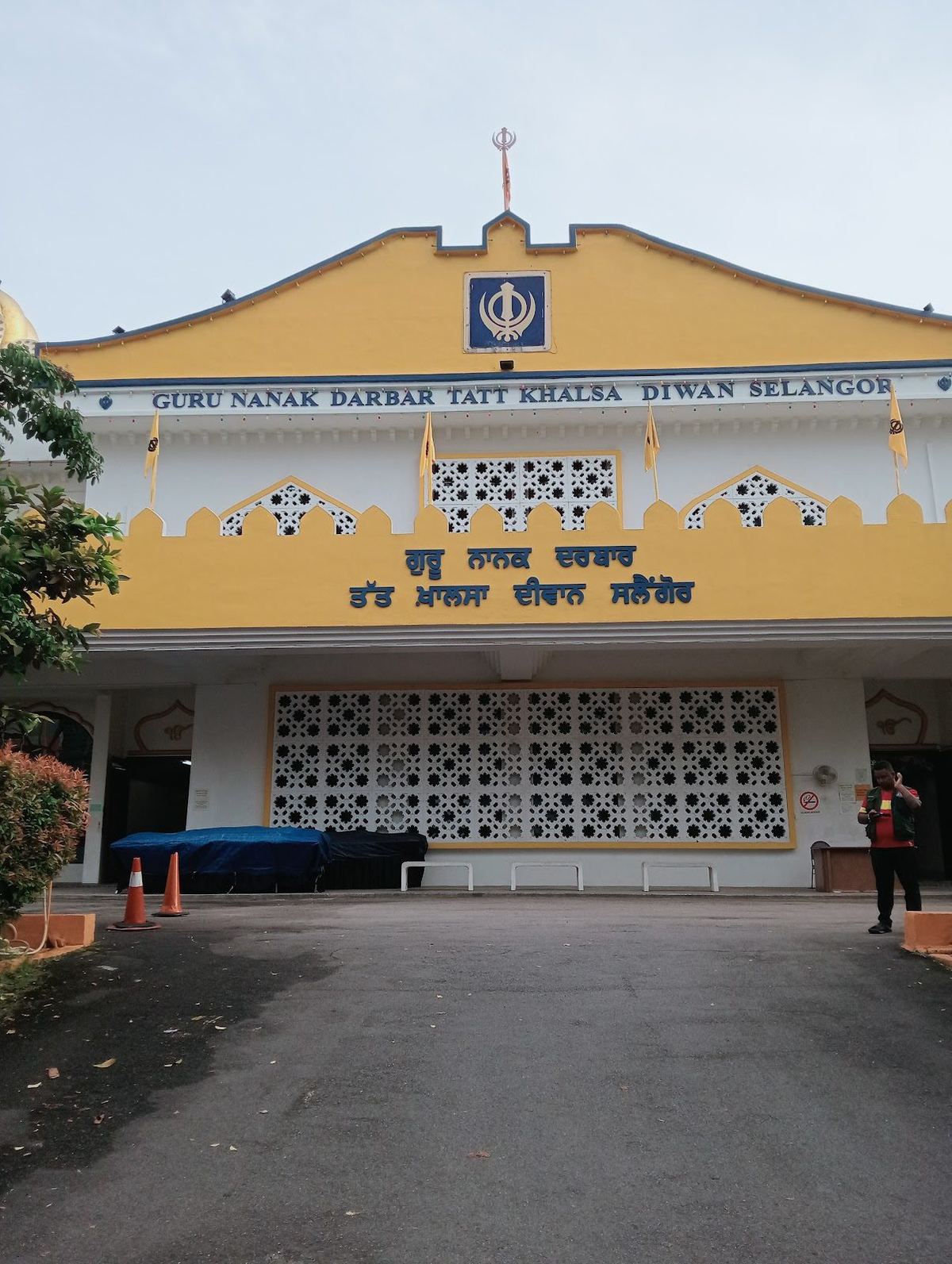
Gurdwara Sahib Tatt Khalsa Diwan
Guru Nanak Darbar Tatt Khalsa Diwan is the largest gurdwara in Southeast Asia by land area. The community dates from the early 20th century, and the present two-storey building was completed in 1996, with the prayer hall (Darbar Sahib) upstairs and a large dining hall and kitchen on the ground floor.
Everyone is welcome, whatever their faith. Cover your head (scarves are provided at the entrance), remove shoes and wash your hands and feet before entering the prayer hall, and do not bring tobacco or alcohol onto the premises. The free vegetarian langar meal is served to all visitors; eat seated on the floor and take only what you will finish. Medan Tuanku and Chow Kit monorail stations are each about 10 minutes away on foot.
Visiting Temples in Kuala Lumpur: Practical Tips
Dress code
Cover shoulders and knees at every place of worship. Mosques lend robes and headscarves free at the visitor entrance; Batu Caves rents sarongs at the foot of the steps; gurdwaras provide head scarves. Carrying a light scarf or shawl saves time.
Shoes and feet
Remove shoes before entering Hindu temples, mosques, Buddhist shrine halls and gurdwaras. Most have racks; some Hindu temples charge a small fee to mind them. Slip-on shoes make temple-hopping easier, and pavements get hot by midday.
Prayer times and Fridays
Mosques close to non-Muslim visitors during the five daily prayers and for most of Friday, when the midday prayer draws large crowds. Visit in the morning between about 9 am and noon. Hindu temples may close in the early afternoon between pujas.
Behaviour and photography
Speak quietly, do not point your feet at altars or shrines, and do not touch statues or offerings. Ask before photographing worshippers, priests or ceremonies; flash is unwelcome in most prayer halls. Couples should avoid physical displays of affection.
Donations and festivals
Almost every place on this list is free. Donation boxes are common, and RM5–10 is a generous contribution. Festivals such as Thaipusam (Jan/Feb), Chinese New Year, Wesak Day and Hari Raya bring crowds and special ceremonies; check dates if you want to see, or avoid, them.
Temples in Kuala Lumpur: Frequently Asked Questions
What is the most famous temple in Kuala Lumpur?
Batu Caves, the Hindu cave temple 13 km north of the city, is the most famous. Its 42.7-metre golden Murugan statue and 272 rainbow-painted steps draw visitors from around the world. Thean Hou Temple is the best-known Chinese temple, and Masjid Negara is the most visited mosque.
Do I have to pay to enter temples in Kuala Lumpur?
No. Almost all temples, mosques, churches and gurdwaras in KL are free to enter. Exceptions are small extras such as the Ramayana Cave and Cave Villa at Batu Caves, and a small shoe-minding fee at some Hindu temples. Donations are welcome but optional.
Can non-Muslims visit mosques in Kuala Lumpur?
Yes. Masjid Negara, Masjid Jamek, Masjid Wilayah Persekutuan and the Putrajaya mosques all have visiting hours for non-Muslims, with free robes and headscarves. They close to visitors during prayer times and for most of Friday, so mornings from Saturday to Thursday are best.
What should I wear to visit temples in KL?
Wear clothes that cover your shoulders and knees, and shoes you can slip off easily. Women visiting mosques will be given a robe and headscarf; men in shorts may be asked to wear a robe or sarong. At a gurdwara, everyone must cover their head.
Which temples in Kuala Lumpur can I walk between?
In Chinatown, Sri Mahamariamman, Guan Di Temple, Sin Sze Si Ya and Chan She Shu Yuen are all within a 10-minute walk of each other, and Masjid Jamek and St Mary's Cathedral are a short walk north. In Brickfields, Sri Kandaswamy Kovil, the Buddhist Maha Vihara and the Church of the Holy Rosary are close together near KL Sentral.