
Bank Negara Malaysia Museum and Art Gallery
Last updated: October 2026
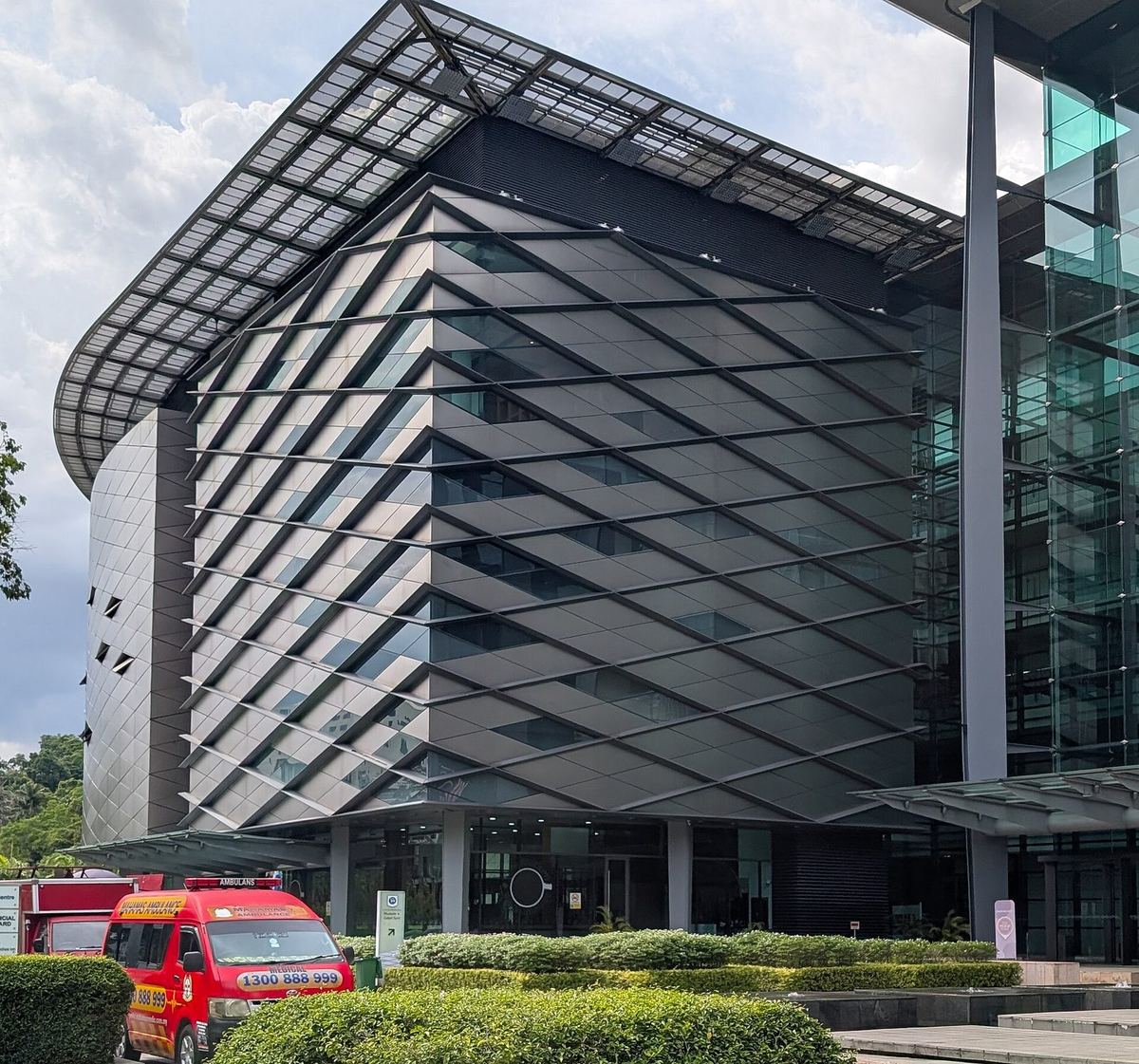
The Bank Negara Malaysia Museum and Art Gallery (often shortened to BNM MAG) is the free public museum of Malaysia's central bank. It occupies a wing of Sasana Kijang, the bank's glass-and-steel learning centre on Jalan Dato' Onn, a short way north of the old colonial core of Kuala Lumpur. Over four floors it explains how money works and how it developed in this region, from barter, tin ingots and animal-shaped coins to modern ringgit notes, and its top floor shows part of the bank's art collection, built up since 1962. It is a quiet, air-conditioned and well-designed museum that suits families, coin collectors and anyone interested in Malaysian art.
This guide covers its background, what is in each gallery, opening hours (checked against the museum's website in October 2026), how to get there and practical tips.
| Address | Sasana Kijang, 2 Jalan Dato' Onn |
|---|---|
| Details | Tue–Sun 10 am – 5 pm, closed Mon Free |
| Area | Jalan Dato' Onn |
| Typical visit | About 1 h 15 min |
| Listed in | Kuala Lumpur Attractions |
| Take me here | |
| Verified | Verified October 2026 |
History of the Bank Negara Malaysia Museum and Art Gallery
Bank Negara Malaysia was established on 26 January 1959 under the Central Bank of Malaya Act 1958, two years after independence, and it has collected coins, banknotes and works of art since its early years. Its first public museum, the Money Museum, opened in 1989 in the bank's headquarters complex on Jalan Dato' Onn and concentrated on numismatics.
The present museum opened in 2011 as part of Sasana Kijang, a centre for learning and research in central banking that the bank set up that year. "Sasana" comes from Sanskrit and means a meeting place for the learned, and "kijang" is the barking deer that appears in the bank's logo. The building also houses regional bodies such as the SEACEN Research and Training Centre, the Islamic Financial Services Board and the Alliance for Financial Inclusion, and the World Bank Group has had an office here since 2016.
The architecture takes its cue from the cowrie shell, one of the earliest forms of currency used in the region. Geometric patterns on the facade are drawn from songket, the Malay gold-thread textile, and large areas of glass let in daylight as a symbol of openness. Inside, the museum's best-known feature is the Nautilus Staircase, a spiral stair rising from the lobby that links every floor and inspired the museum's spiral logo.
The museum's stated aim is to give the public an informal place to learn about economics, Islamic finance and personal financial planning, and about the central bank's role in the country's development. It runs school programmes, talks, workshops and temporary exhibitions; recent ones have included a show marking the bank's 60th anniversary, an exhibition on wayang kulit shadow puppetry with Indonesian and Malaysian artists, and "Palette and Pen", a 2025 exhibition of more than 150 artworks from Malaysia and ASEAN linked to the ASEAN finance ministers' and central bank governors' meeting.
What to See: the Six Galleries
Children's Gallery (ground floor)
You enter through the RM1 Million Tunnel, a walkway lined with about RM1 million in genuine Malaysian banknotes from all four series, sealed between sheets of acrylic. The gallery around it is built on the idea of "save, spend and share", with hands-on games about the value and cost of everyday things, a station where children can design their own banknote, and an "RM1 million challenge" that gives players 30 seconds to spend a million ringgit wisely.
Bank Negara Malaysia Gallery (first floor)
This gallery explains what a central bank does: issuing currency, keeping prices stable, supervising banks and managing reserves. Highlights include an investment game and a recreation of a governor's room, and a mock vault whose frosted glass clears to show stacks of gold bars and cash once you answer a quiz question on the keypad.
Economics Gallery (first floor)
A walk through Malaysia's economic growth from independence to today, with the Economic Express interactive, giant newspaper cuttings of key moments and a timeline of world financial crises. Some exhibits, such as the Trade Dollar display, close from time to time for upgrading.
Islamic Finance Gallery (first floor)
This gallery traces commerce and finance in the early Islamic world, along trade routes from the Middle East to Europe and Asia, and explains how Malaysia became a centre of Islamic banking. Note: the museum announced that the Islamic Finance Gallery would close from 29 August 2026 for a major refresh, so expect it to be shut for part or all of late 2026; the other galleries stay open.
Numismatics Gallery (second floor)
For many visitors this is the highlight. It follows money in the region from barter (there is a barter-trade game) to the unusual currencies of the past: animal-shaped ingots, tin block money, primitive currencies from Borneo, early Chinese and Siamese money, coins of the Malay sultanates, Portuguese, Dutch and British colonial coins and notes, Sabah and Sarawak issues, Japanese occupation notes and the currency of independent Malaysia. The River of Coins and a display of banknotes from around the world end the gallery.
Art Gallery (third floor)
The top floor, about 10,000 square feet split into north and south halls, shows rotating selections from the bank's art collection of roughly 1,700 works, mostly Malaysian with some from other ASEAN countries. It includes paintings, prints, drawings and sculpture by pioneers such as Yong Mun Sen, Abdullah Ariff, Chuah Thean Teng and Mohd Hoessein Enas, and later figures including Syed Ahmad Jamal, Ibrahim Hussein, Redza Piyadasa, Khalil Ibrahim and Chang Fee Ming. The gallery closed for upgrading in early 2024 and has since been used for temporary exhibitions, so what you see depends on the current show.
Opening Hours, Admission and How Long to Spend
- Hours: Tuesday to Sunday, 10 am to 5 pm; last admission 4:30 pm.
- Closed: every Monday and the first three days of Hari Raya Aidilfitri. Individual galleries sometimes close for upgrading; check the museum's Facebook or Instagram (BNM.MAG / bnmmag) before a special trip.
- Admission: free. Walk-ins are welcome; groups of more than 20 should book by email.
- Time needed: about an hour and a quarter for a general visit, or two hours if you are a coin collector or want to see the art properly.
- Contact: +603 2784 6482.
How to Get to the Bank Negara Museum
- KTM Komuter: Bank Negara station (Batu Caves to Pulau Sebang line) is the closest, roughly a 5 to 10 minute walk along Jalan Dato' Onn.
- LRT: Dang Wangi station on the Kelana Jaya line is about 15 minutes on foot, partly along busy roads; Masjid Jamek and Bandaraya stations are similar distances.
- Grab or taxi: ask for "Sasana Kijang, Jalan Dato' Onn". A ride from Merdeka Square or Chinatown is short.
- Car: visitor parking is in the Sasana Kijang basement on levels LG4 and LG5 at a flat rate of RM5.
Tips for Visiting
- Bags, food, drinks, tripods and monopods are not allowed in the galleries; lockers are available against a refundable RM10 deposit. Bring only your phone, wallet and camera.
- Photography for personal use is fine, but no flash in the Art Gallery.
- All galleries are accessible by lift, and wheelchairs and strollers can be borrowed free at the ground-floor counter.
- The galleries are cool, so bring a light layer, and avoid slippery footwear on the polished floors.
- The Museum Café inside the building serves drinks and light meals, and the museum shop (card payment only) sells numismatic books and Malaysian-made gifts.
- Combine the visit with the batik and textile shops of Jalan Tuanku Abdul Rahman, St Mary's Cathedral and Merdeka Square, all within about a kilometre.
Bank Negara Malaysia Museum and Art Gallery Location
Nearby
- S.S.B. Interchange, SOGO — Money changer, 0.5 km away
- Capital Café — Drinks, 0.7 km away
- Kin Kin Chilli Pan Mee — Hawker food, 0.8 km away
- Batik Shops on Jalan Tuanku Abdul Rahman — Souvenirs, 0.8 km away
- Mansion Tea Stall — Drinks, 0.9 km away
- St Mary's Cathedral — Temple, 0.9 km away
Plan a route with opening times using the Where2Go trip planner.
Frequently Asked Questions
Is the Bank Negara Malaysia Museum and Art Gallery free?
Yes. Admission is free for everyone, including foreign visitors. Groups of more than 20 should book ahead by email.
What are the Bank Negara Museum opening hours?
It opens Tuesday to Sunday from 10 am to 5 pm, with last admission at 4:30 pm. It is closed on Mondays and the first three days of Hari Raya Aidilfitri.
What is the RM1 Million Tunnel?
It is the entrance walkway of the Children's Gallery, lined with about RM1 million in real Malaysian banknotes from all four series, sealed between layers of acrylic.
Can I bring a bag into the galleries?
No. Bags, food and drinks are not allowed in the galleries. Lockers are available for a refundable RM10 deposit, and you can keep your phone, wallet and camera with you.
What is the nearest station to the Bank Negara Museum?
Bank Negara KTM Komuter station is the closest, a short walk along Jalan Dato' Onn. Dang Wangi LRT is about 15 minutes away on foot.
Is the Islamic Finance Gallery open in 2026?
The museum announced that the Islamic Finance Gallery would close from 29 August 2026 for a major refresh. The other galleries remain open, so check the museum's social media for the reopening date.
Sources
- About Us, Bank Negara Malaysia Museum and Art Gallery (official)
- Visiting Guidelines, BNM Museum and Art Gallery (official)
- Gallery pages, BNM Museum and Art Gallery (official)
- About Sasana Kijang, Bank Negara Malaysia
- Bank Negara Museum and Art Gallery, Malaysia Traveller
- Bank Negara Malaysia Museum and Art Gallery, Time Out Kuala Lumpur
- Malaysia Museum's Marvels of Money, Currency News (2025)