
Sun Yat Sen Museum
Last updated: October 2026
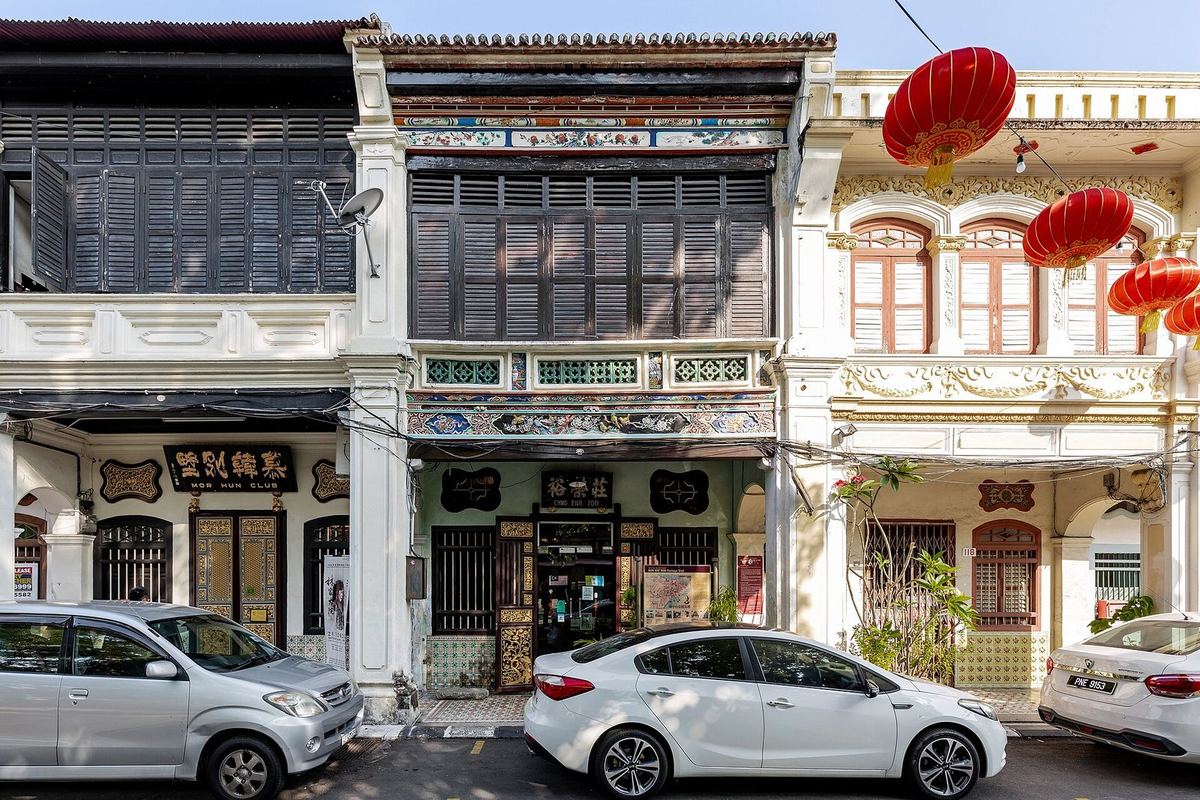
The Sun Yat Sen Museum occupies a long Straits Chinese townhouse at 120 Armenian Street in George Town, built around 1880. In 1910 it was the Penang base of Dr Sun Yat Sen's revolutionary party, the Tongmenghui, and it was here, in November 1910, that Sun chaired the meeting that raised money for the Second Guangzhou Uprising of April 1911, a key step towards the revolution that ended the Qing dynasty later that year. Today the house is a small, atmospheric museum and one of the best-preserved merchant townhouses you can enter in Penang.
This guide covers the history of the house and Sun Yat Sen's time in Penang, what you can see inside, tickets and opening hours (checked October 2026), how to get there and tips for visiting.
| Address | 120 Armenian Street, George Town |
|---|---|
| Details | Daily 9 am – 6 pm RM10 adults, RM5 children 5–12 Cash or e-wallet only |
| Area | George Town |
| Typical visit | About 30 min |
| Listed in | Penang Attractions |
| Take me here | |
| Verified | Verified October 2026 |
History of the Sun Yat Sen Museum
A merchant's townhouse
The building at 120 Armenian Street was built around 1880 as a residential townhouse. It is more than 130 feet (about 40 metres) deep, a typical plan for the homes of well-off Straits Chinese merchants, with rooms arranged in sequence around an open courtyard and airwell that bring light and air deep into the house. Patterned floor tiles, a timber staircase and Straits Chinese blackwood furniture give a good idea of how such homes looked at the turn of the 20th century.
Sun Yat Sen in Penang, 1910
Sun Yat Sen (1866–1925), the revolutionary who became the first provisional president of the Republic of China, spent much of his exile raising money and support among Chinese communities overseas. In 1910 he brought his family to Penang and moved the South-East Asian headquarters of the Tongmenghui (the Chinese Revolutionary Alliance) to the island. The house at 120 Armenian Street served as the base of the Penang branch; publicly it was the home of the Penang Philomatic Union, a reading club that gave cover to the party's political work.
On 14 November 1910 Sun chaired an emergency meeting of the Nanyang Tongmenghui here, remembered as the Penang Conference. The meeting agreed to launch a fundraising campaign for a new uprising in Guangzhou (Canton), and 8,000 Straits dollars were pledged on the spot. In December 1910 the party also launched a newspaper from the house, the Kwong Wah Yit Poh, to counter the reformist press. It is still published in Penang today and is the oldest surviving Chinese-language newspaper in South-East Asia.
The uprising funded from Penang took place on 27 April 1911 under Huang Xing. It failed, and the 72 revolutionaries who could be identified among the dead were buried at Huanghuagang (Yellow Flower Mound) in Guangzhou and are remembered as the 72 Martyrs. Historians see the uprising as an important prelude to the Wuchang Uprising of October 1911, which brought down the Qing dynasty and led to the founding of the Republic of China.
From family home to museum
In 1926 the house passed to the Hokkien merchant Ch'ng Teong Swee, and it is now owned by his granddaughter, the writer and heritage campaigner Khoo Salma Nasution. The museum opened in 2001 with a gallery launched by Malaysian Prime Minister Mahathir Mohamad. Chinese President Hu Jintao visited in 2002. Extensive restoration in 2010–2011 brought in craftspeople from Quanzhou in China. The house is part of the George Town UNESCO World Heritage Site and is one of the stops on the Sun Yat Sen Heritage Trail launched in 2010, which links more than a dozen sites connected with Sun's time in Penang.
What to See Inside the Sun Yat Sen Museum
The visit is short and focused. Only the ground floor is open to visitors:
- The entrance hall: information panels, photographs and documents on Sun Yat Sen, the Tongmenghui, the Penang Conference and the 1911 revolution.
- The courtyard and airwell: the open centre of the house, with plants, tiles and timber detailing; it is the most photogenic part of the museum.
- Period rooms: furniture, fittings and household objects in the Straits Chinese style of the early 20th century.
- The kitchen: a preserved Nyonya kitchen with its original stove and cooking equipment.
A period-costume photo session is offered for an extra RM25 if you want a souvenir picture in the house.
Sun Yat Sen Museum Tickets and Opening Hours
The museum is open daily from 9 am to 6 pm. Tickets cost RM10 for adults and RM5 for children aged 5 to 12. Payment is by cash or e-wallet only; cards are not accepted. Most visitors spend 15 to 30 minutes, longer if you read all the panels or take the costume photos.
How to Get There
- On foot: the museum is at 120 Lebuh Armenian, opposite the small Armenian Park, in the middle of the street art area. Khoo Kongsi and the Asia Camera Museum are each about two minutes away, and Little India about ten.
- Bus: the nearest Rapid Penang stops are on Lebuh Chulia and Jalan Masjid Kapitan Keling, a few minutes' walk away; the free CAT shuttle also runs through the heritage zone.
- Grab or taxi: ask for "Sun Yat Sen Museum, 120 Lebuh Armenian". Armenian Street is narrow and often busy with pedestrians, so drivers may drop you at either end.
- Parking: very limited street parking; Grab or walking is easier.
Tips for Visiting
- Combine the museum with the Sun Yat Sen Heritage Trail, Khoo Kongsi, the Cheah and Yap clan houses and the Armenian Street murals, all on or just off the same street.
- Read up on the 1911 revolution beforehand if you can; the museum is small, and some background makes the house far more interesting.
- Go in the morning before the street art crowds build up on Armenian Street.
- Bring cash or a Malaysian e-wallet, as cards are not accepted.
- For a snack or meal afterwards, there are cafes, Jawi House and hawker stalls along Armenian Street and Lebuh Chulia.
Sun Yat Sen Museum Location
Nearby
- Jawi House Cafe Gallery — Restaurant, 0.1 km away
- Tiger Char Koay Teow — Hawker food, 0.1 km away
- Asia Camera Museum — Attraction, 0.1 km away
- 123 Laundry (Lebuh Buckingham) — Laundry, 0.1 km away
- Yap Kongsi and Choo Chay Keong Temple — Temple, 0.1 km away
- Areca Books — Souvenirs, 0.1 km away
Plan a route with opening times using the Where2Go trip planner.
Frequently Asked Questions
How much is the Sun Yat Sen Museum entrance fee?
Tickets are RM10 for adults and RM5 for children aged 5 to 12. Payment is cash or e-wallet only. A period-costume photo session costs RM25 extra.
What are the Sun Yat Sen Museum opening hours?
The museum at 120 Armenian Street is open daily from 9 am to 6 pm.
Why is the Sun Yat Sen Museum important?
It was the Penang base of Sun Yat Sen's Tongmenghui in 1910. Here Sun chaired the November 1910 Penang Conference, which raised funds for the Second Guangzhou Uprising of April 1911, and launched the Kwong Wah Yit Poh newspaper.
How long do I need at the Sun Yat Sen Museum?
Most visitors spend 15 to 30 minutes, as only the ground floor is open. Allow longer if you want to read every panel or take costume photos.
Did Sun Yat Sen live in Penang?
Yes. Sun brought his family to Penang in 1910 and moved the South-East Asian headquarters of the Tongmenghui to the island during that year.