
Selangor Temples: 7 Temples, Mosques and Churches to Visit
Selangor temples include one of the best-known Hindu sites in the world, the state mosque of Selangor, a Thai Buddhist temple and old royal-town mosques. This guide covers 7 places of worship in Selangor outside Kuala Lumpur, checked for October 2026, and each entry names its town. Temples inside the capital are in the KL temples guide.
The list is short because we only included places we could confirm. Where we found no current visiting schedule, the entry says "Check hours before visiting". All of these are active places of worship: dress modestly, remove shoes where asked, keep quiet during prayers and ask before photographing worshippers. Mosques open to non-Muslims only at set times between prayers.
Langsung ke tempat (7)
Sekilas
Batu Caves (Sri Subramaniar Swamy Temple)
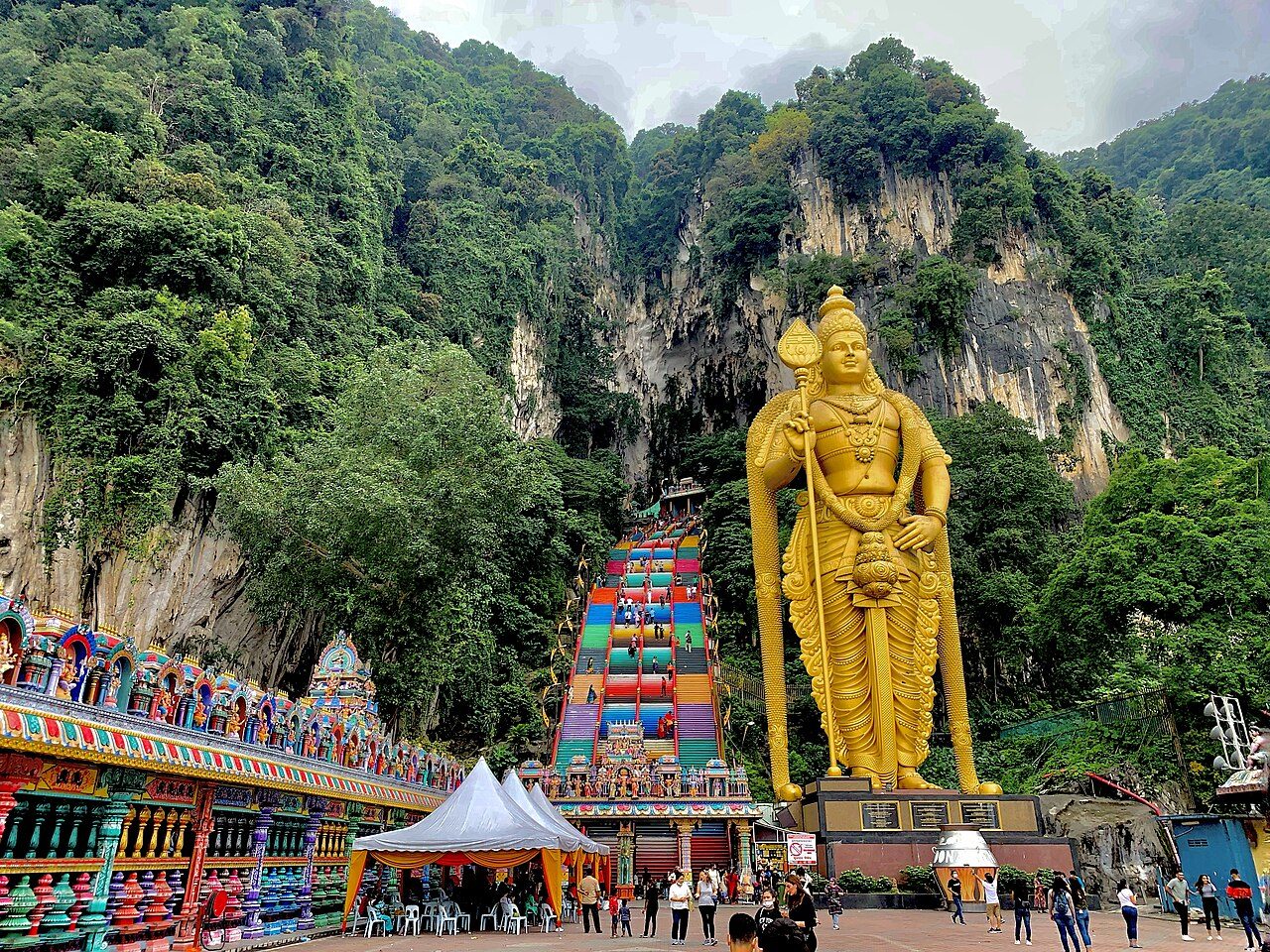
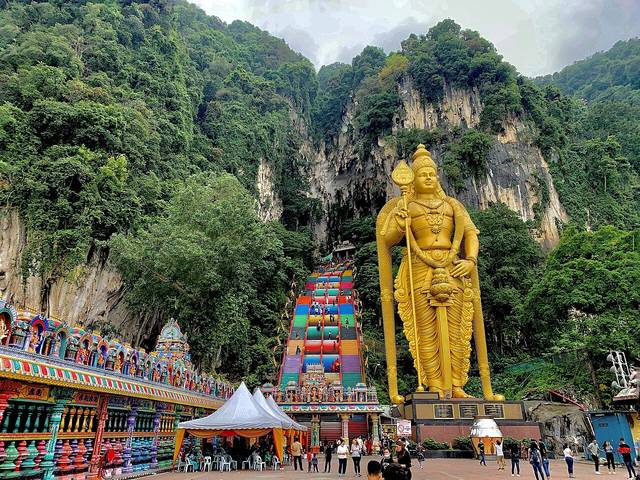
Batu Caves is the best-known Hindu shrine in Malaysia, built into a limestone hill in Gombak, Selangor, about 13 km north of central Kuala Lumpur. A 42,7-metre gold statue of Lord Murugan guards the foot of 272 rainbow-painted steps leading up to the Temple Cave, a high natural chamber with shrines to Murugan and other deities. Entry to the Temple Cave is free.
Shoulders and knees must be covered, and the dress code is checked at the foot of the stairs; sarongs are rented at the stalls for around RM5. Macaques live on the steps and take food and bags. Go early to climb in the cool, and avoid Thaipusam in January or February unless you want the festival, when more than a million devotees arrive. The KTM Komuter Batu Caves line ends a short walk from the entrance. See the Selangor attractions guide for the Ramayana Cave and visiting tips.
Sultan Salahuddin Abdul Aziz Shah Mosque (Blue Mosque)
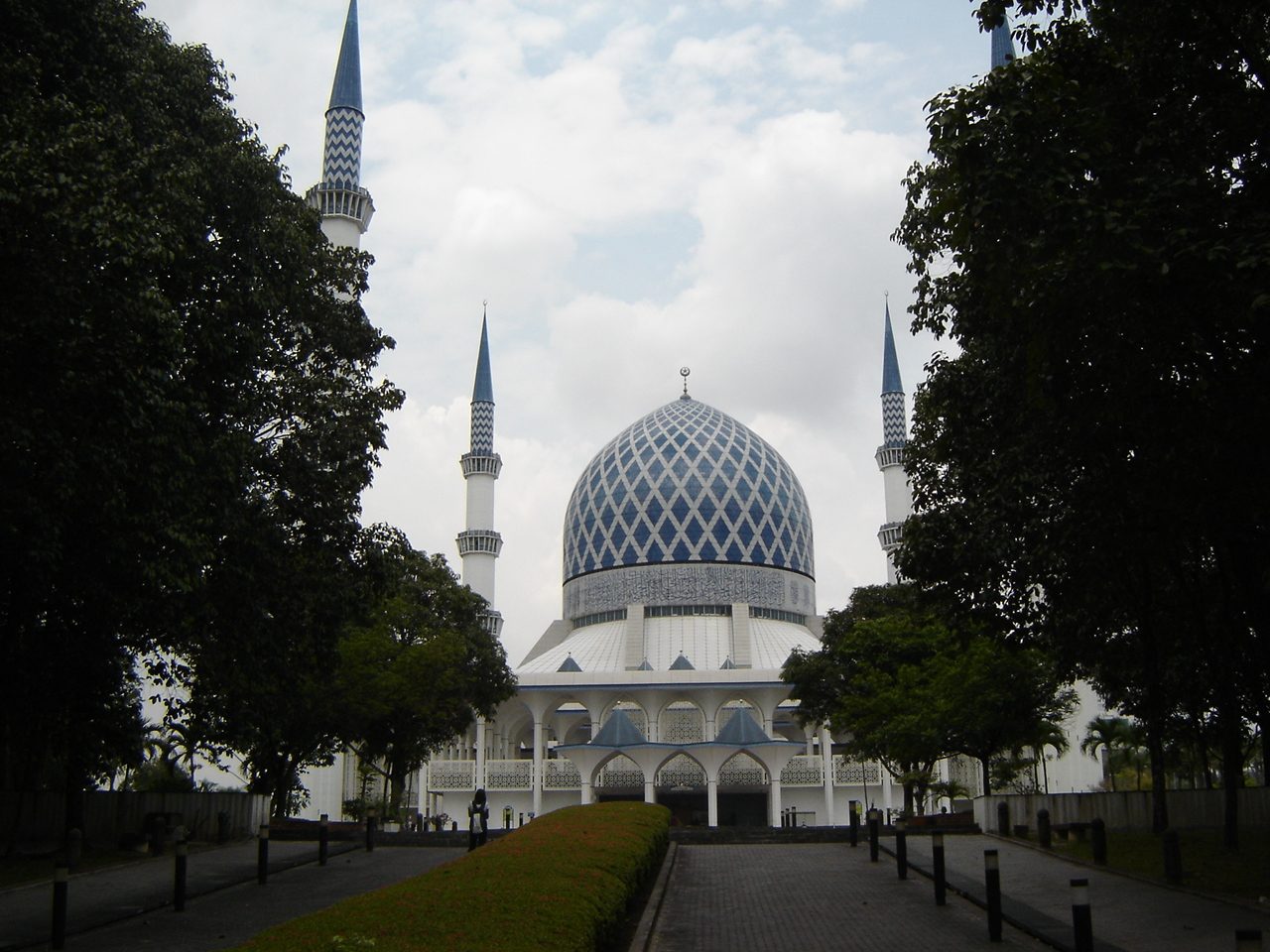
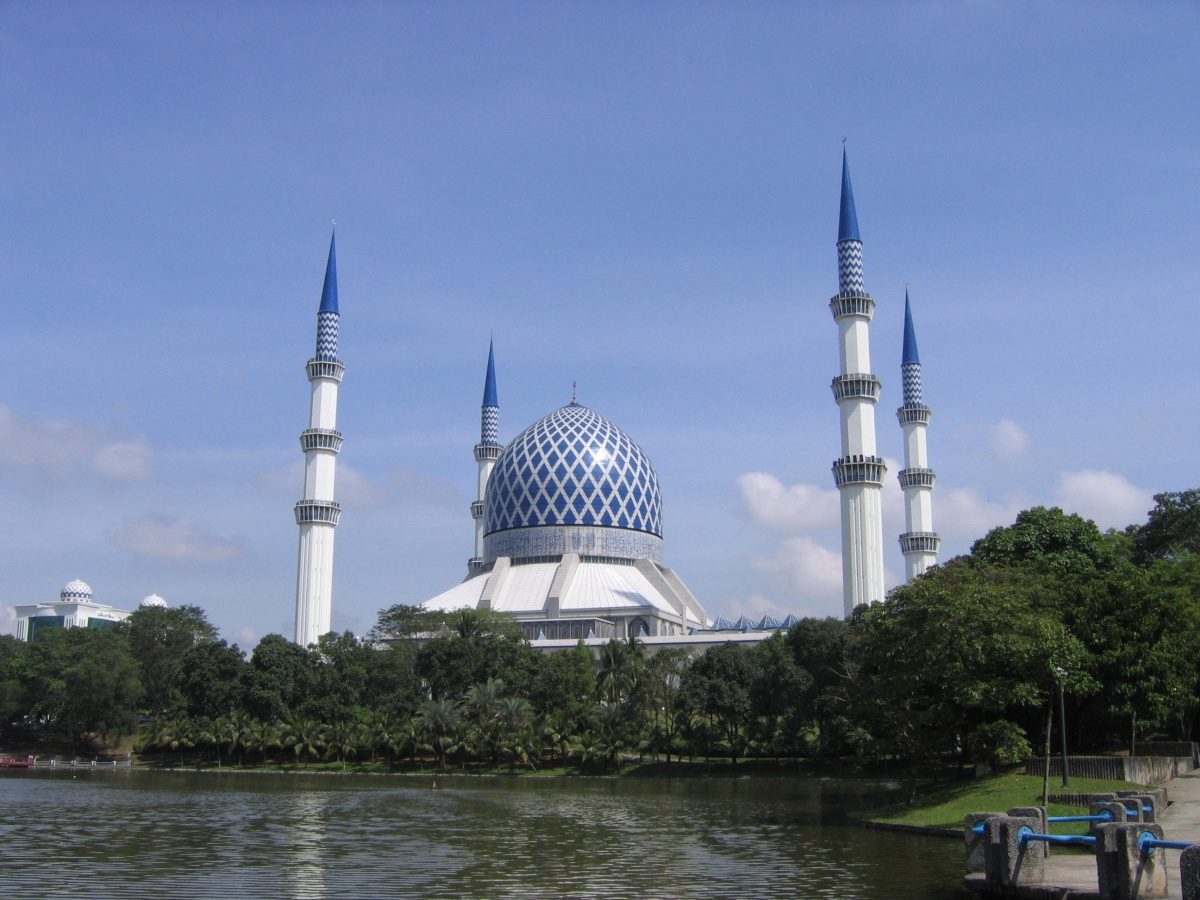
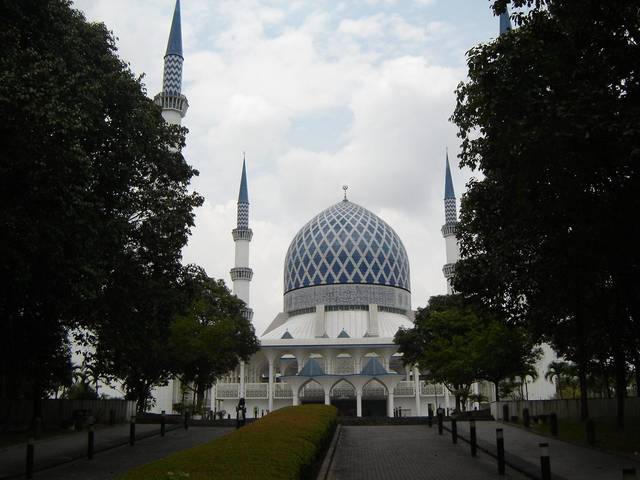
The state mosque of Selangor was completed in 1988 and is known as the Blue Mosque for its blue-and-silver dome, 51,2 metres across and 106,7 metres high. Four minarets rise 142,3 metres, and the prayer hall holds about 24.000 worshippers. It is the largest mosque in Malaysia and the second largest in Southeast Asia. The 14-hectare Garden of Islamic Arts next door has galleries of Islamic art.
Non-Muslims can visit during set daytime slots between prayers, which change from time to time, so confirm them before you go. Free guided visits are offered from the visitor centre, where women are lent robes and headscarves and men need long trousers. The mosque is closed to visitors at weekends and on public holidays. Shah Alam is about 35 to 45 minutes from central KL by car or Grab. See also the evening look at the Blue Mosque at night.
Sultan Sulaiman Mosque (Masjid Sultan Sulaiman)
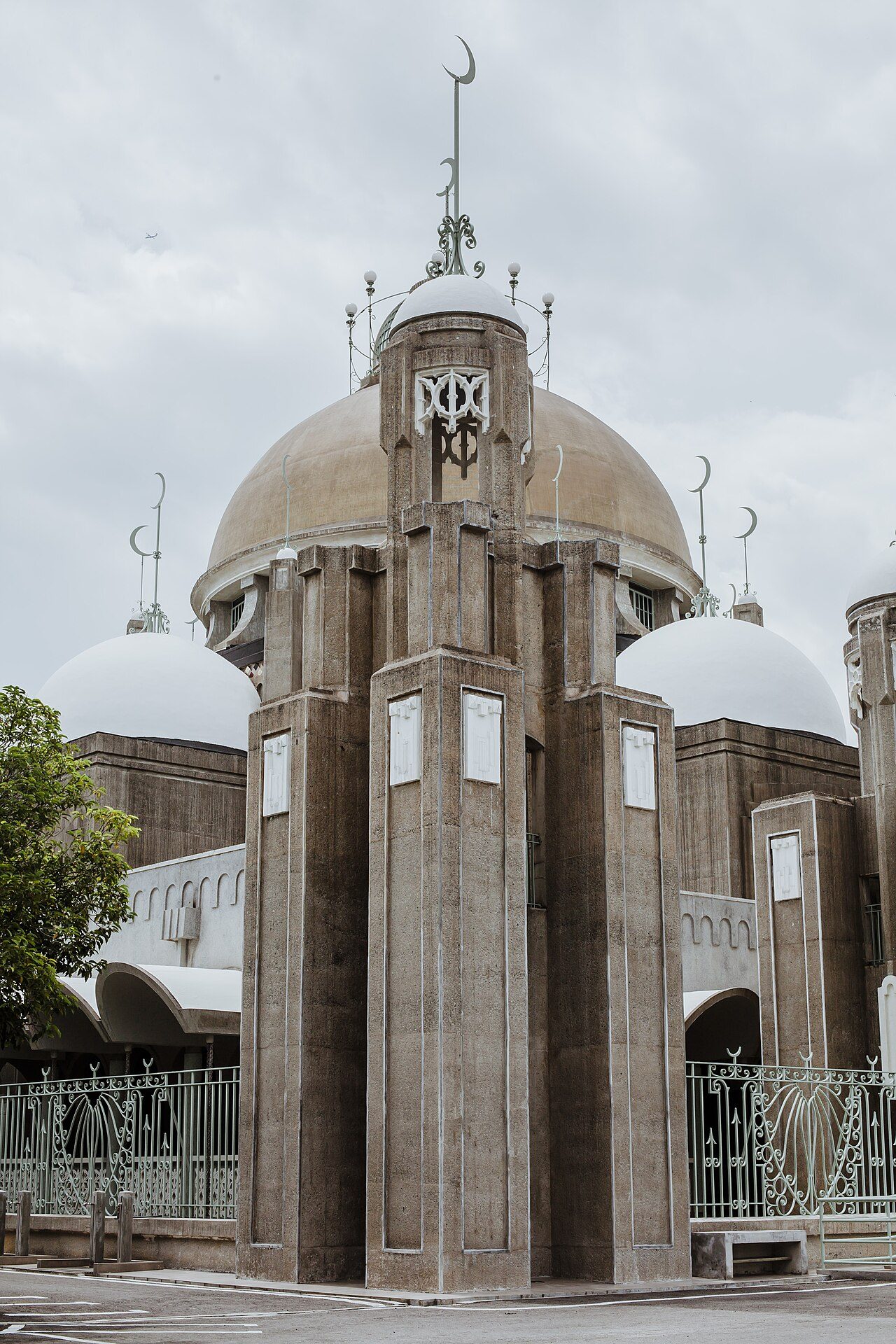
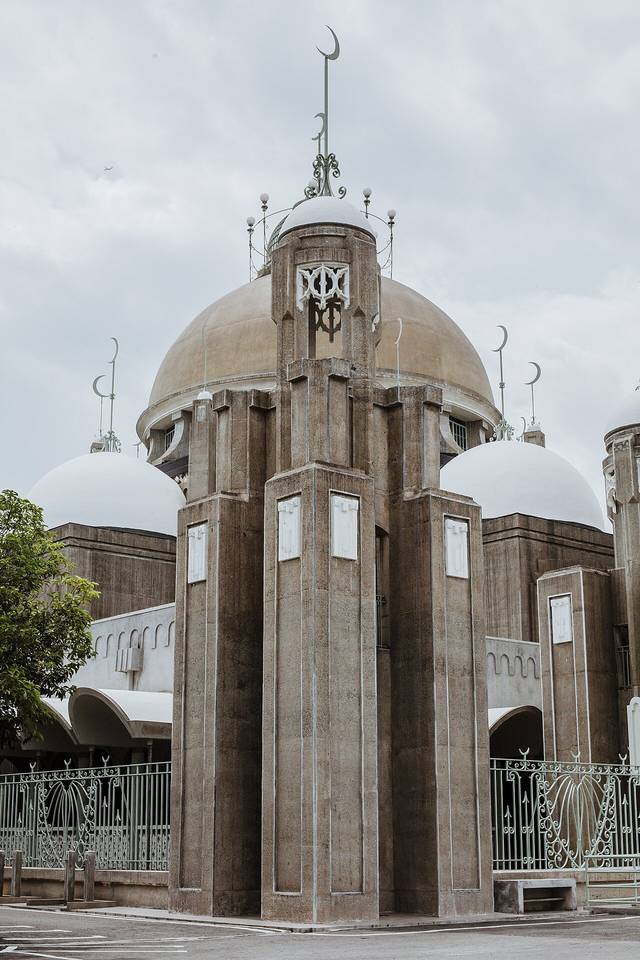
Sultan Sulaiman Mosque in Klang was opened on 23 June 1923 as a gift from the British government to mark Klang's status as a royal town. The architect Leofric Kesteven mixed Moorish and Art Deco styles, with an egg-yellow dome ringed by four smaller domes and a 136-foot minaret. It served as the Selangor state mosque until the Blue Mosque opened in Shah Alam in 1988, and it was gazetted a National Heritage Building in May 2012.
A RM12 million conservation project between 2015 and 2017 restored the bas-reliefs and the painted murals of local plants and scenery. Several sultans are buried in the grounds, including Sultan Salahuddin Abdul Aziz Shah. We could not confirm a published schedule for non-Muslim visitors, so check at the gate, avoid prayer times and Friday midday, and dress modestly. It is a short trip from Klang Little India.
Masjid Jamek Sultan Abdul Aziz Shah
This is the first mosque in the old town of Petaling Jaya, opened by the Sultan of Selangor on 23 October 1964. It is a working community mosque in PJ Old Town rather than a tourist site, so there is little published visitor information.
Visit outside prayer times and Friday midday, dress modestly and ask permission before photographing. Combine it with a walk around PJ Old Town and the nearby Wat Chetawan.
Wat Chetawan
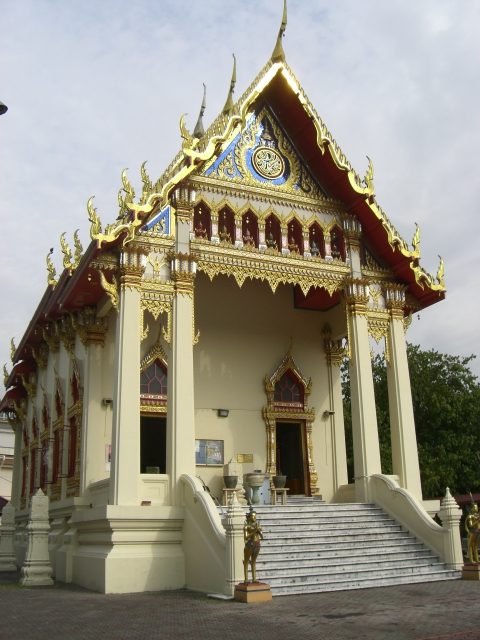
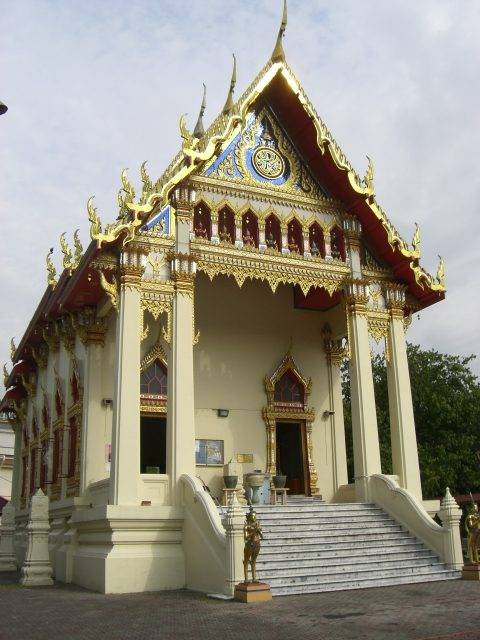
Wat Chetawan is a Thai Theravada temple in Petaling Jaya, built in 1957 and officiated by the late King Bhumibol. The main shrine hall is in classic Thai style, with steep tiered roofs, gilded gables and naga finials, and a golden seated Buddha inside. Smaller shrines, a four-faced Brahma image and gardens stand in the grounds.
Take shoes off before entering any building and dress modestly. Published hours vary between sources, so the safest time to visit is between 9 am and 5 pm. It is about 20 minutes by Grab from central KL.
Fo Guang Shan Dong Zen Temple
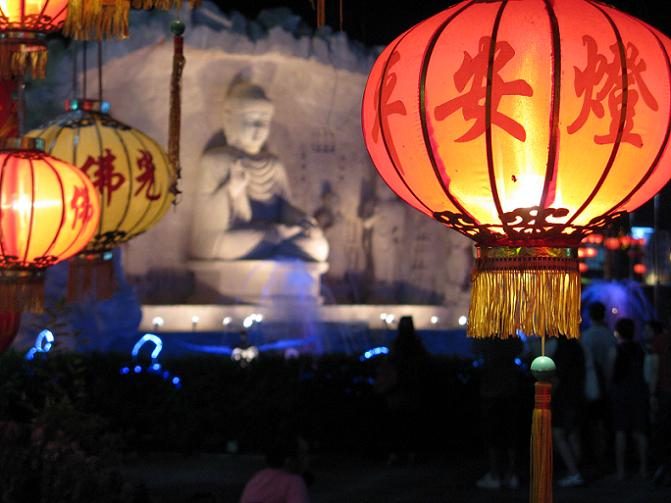
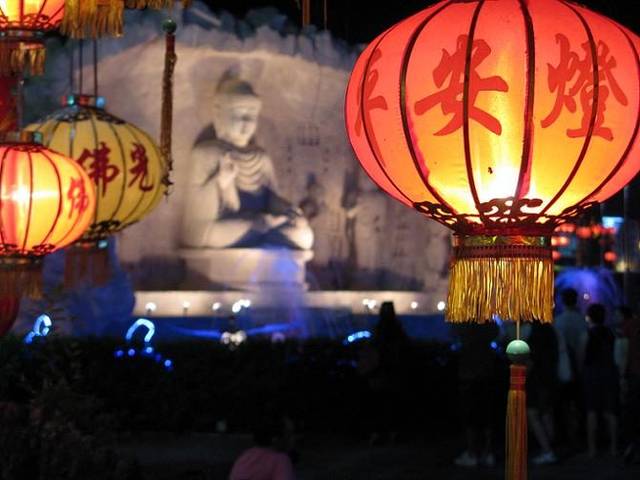
Fo Guang Shan Dong Zen Temple is a large Chinese Buddhist temple in Sungai Jarom near Jenjarom, in Kuala Langat district. It serves mainly the local Chinese Buddhist community and drew about 250.000 visitors in 2004, according to Wikipedia. Jenjarom also has older Chinese temples, including Ban Siew Keng and Tung Loh.
We could not confirm current opening hours or visitor rules from a recent source, so check with the temple before you go. Dress modestly, keep quiet in the halls and ask before taking photos of worshippers. The temple is a day trip by car or Grab from KL, about an hour.
St Francis Xavier's Church
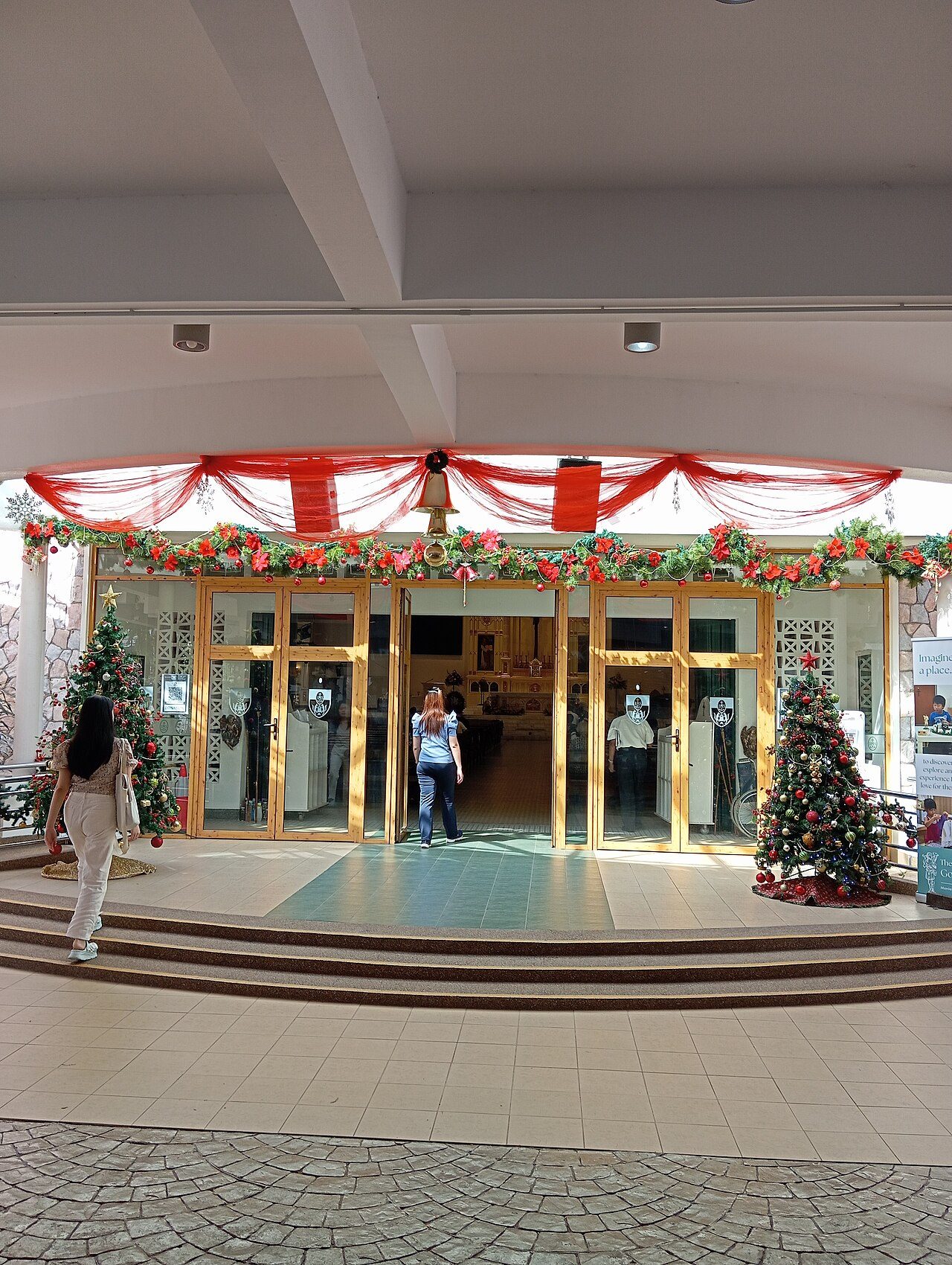
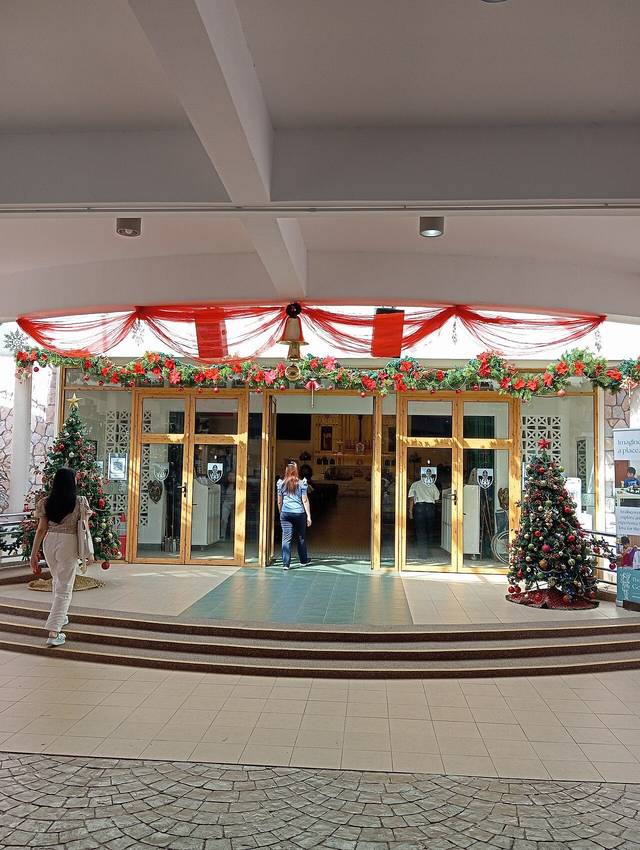
St Francis Xavier's is a Catholic church on Jalan Gasing in Petaling Jaya, established in 1961 according to Wikipedia. It is an active parish, so the church is open mainly for worship rather than sightseeing.
Visit outside Mass if you only want to look, dress modestly and keep quiet. Mass times are set by the parish, so check with them. The church is close to Wat Chetawan, which makes a short religious-heritage walk in PJ.
Visiting Selangor Temples: Practical Tips
Aturan berpakaian
Cover shoulders and knees at every site. Robes and sarongs are lent or rented at Batu Caves and the Blue Mosque, but arriving suitably dressed saves time.
Alas kaki
Shoes come off before entering prayer halls, shrine halls and mosques. Wear shoes that slip off easily.
Waktu salat dan hari Jumat
Mosques close to visitors around prayer times, and Friday midday is the busiest. Plan mosque visits for the morning.
Transportasi
Batu Caves is reachable by KTM Komuter. The Blue Mosque, Klang, Petaling Jaya and Jenjarom are easiest by Grab or car.
Selangor Temples: FAQ
What are the best temples in Selangor?
Batu Caves is the best-known of the Selangor temples, with 272 steps to a Hindu cave shrine and free entry to the Temple Cave. Others worth a visit are the Blue Mosque in Shah Alam, the heritage Sultan Sulaiman Mosque in Klang, and Wat Chetawan, a Thai temple in Petaling Jaya.
Can non-Muslims visit the Blue Mosque in Shah Alam?
Yes. Non-Muslims can visit on weekdays during set daytime slots between prayers, with a shorter window on Fridays. Published times differ between sources, so check them before you go. Robes are provided and the visit is free.
What should I wear to Batu Caves?
Cover your shoulders and knees. Visitors in shorts or sleeveless tops are asked to rent a sarong at the foot of the stairs, which costs around RM5. Wear sturdy shoes for the 272 steps and keep food and bags secure from the macaques.
Is Batu Caves in Selangor or Kuala Lumpur?
Batu Caves is in Gombak, Selangor, about 13 km north of central Kuala Lumpur. The KTM Komuter Batu Caves line ends near the entrance.
Are there Chinese and Thai temples in Selangor?
Yes. Wat Chetawan in Petaling Jaya is a Thai Theravada temple, and Fo Guang Shan Dong Zen Temple near Jenjarom is a large Chinese Buddhist temple. Check hours before visiting either, as published times differ.