
Ipoh Temples: 11 Cave Temples, Mosques and Churches
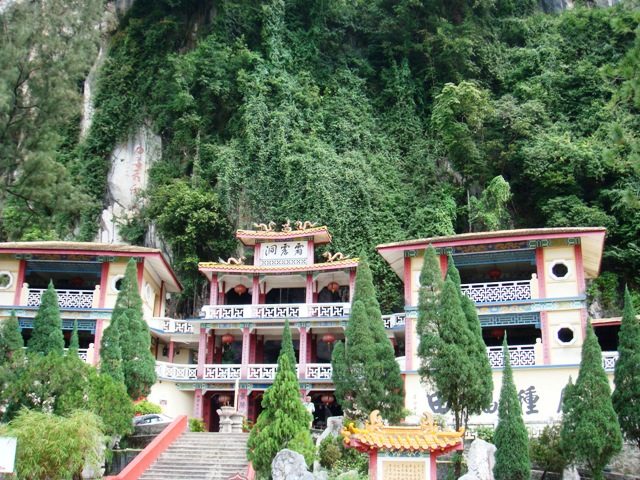
Ipoh temples are known for their caves: Chinese Buddhist and Taoist temples built into the limestone hills around the city. This guide covers 11 places of worship checked for October 2026, including 5 cave temples, a Tibetan Buddhist temple, a Hindu temple, 3 mosques and a church. One entry, Ubudiah Mosque in Kuala Kangsar, is a day trip from Ipoh of about 50 minutes by car. Other Ipoh attractions are in the Ipoh attractions guide.
All of these are active places of worship. Dress modestly with shoulders and knees covered, remove shoes where asked, keep quiet during prayers, and ask before photographing worshippers. Many sources give conflicting opening hours for the cave temples, and the real closing time is often earlier than the posted one, so aim to arrive before 3 pm.
Lompat ke tempat (11)
Sepintas lalu
Chinese and Buddhist Cave Temples in Ipoh
Perak Tong
Perak Tong is a cave temple whose main hall holds a large seated golden Buddha, painted murals and rows of smaller statues. A steep stair of more than 400 steps leads to an open platform with views over the plain and the hills.
It is the most visited cave temple in Ipoh, so go early. The climb is optional; the cave hall at the bottom takes about 20 minutes.
Sam Poh Tong
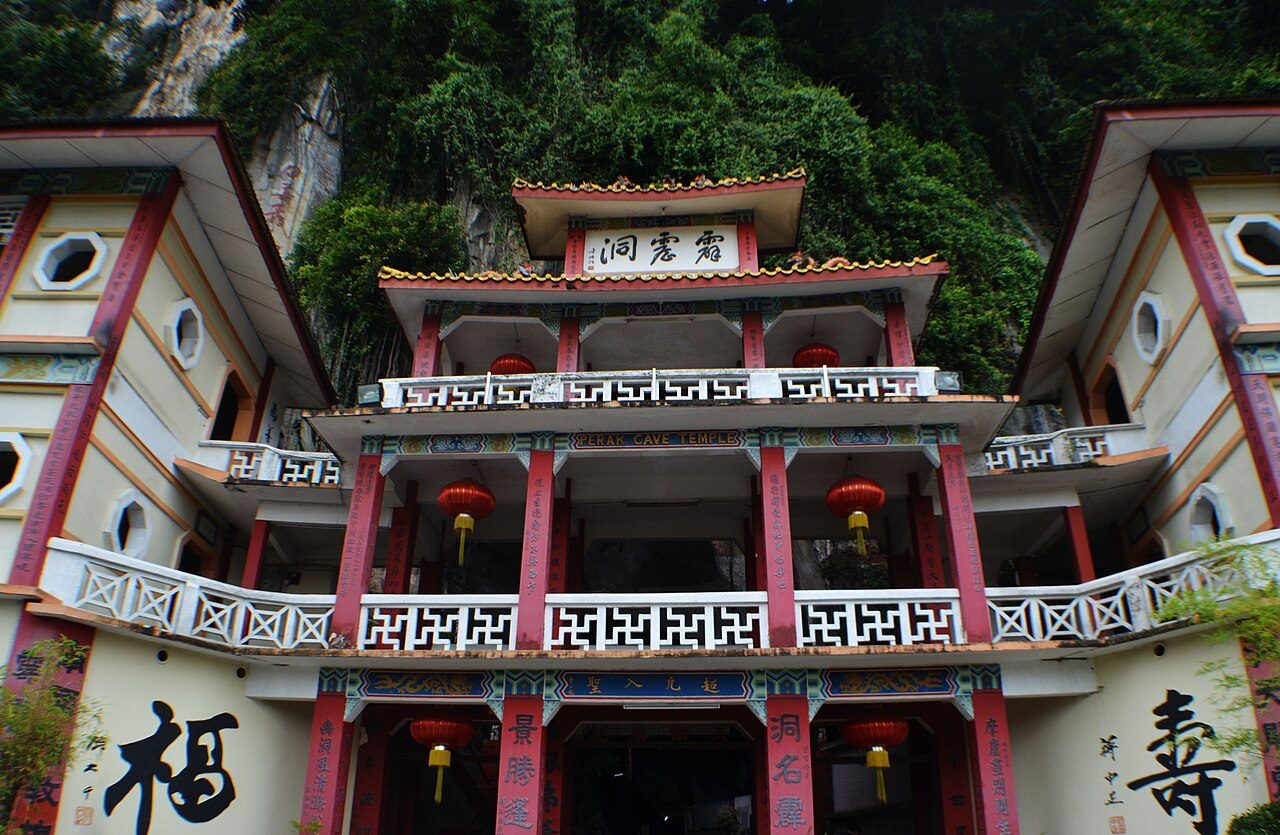
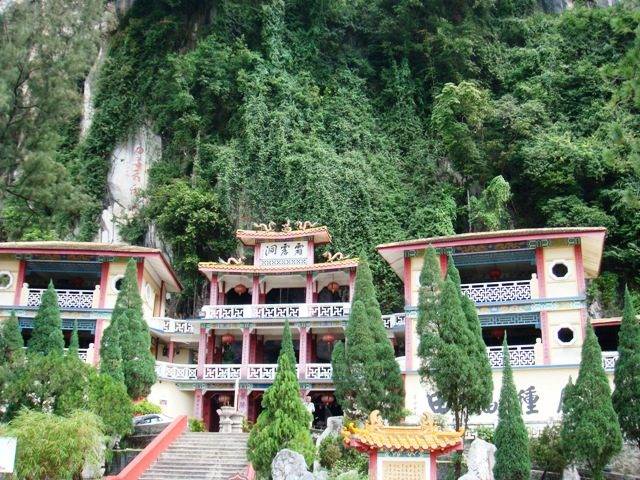
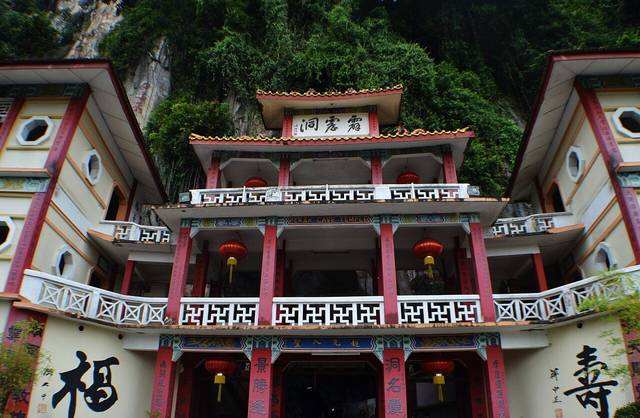
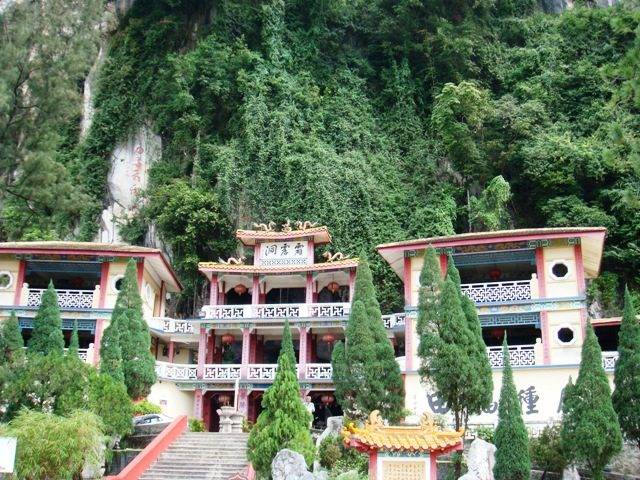
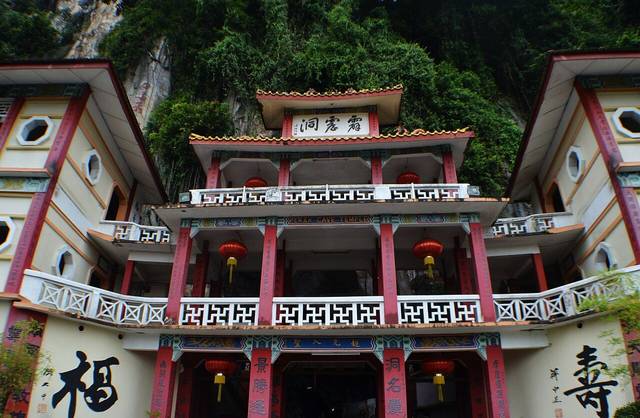
Sam Poh Tong is one of the oldest cave temples in the area, with connected limestone caverns, a courtyard and a pond where worshippers release turtles. The pavilion at the front is in a multi-storey Chinese style.
One listing gives 8 am to 1:30 pm, another about 8 am to 5 pm. Visit before noon to be safe.
Kek Lok Tong
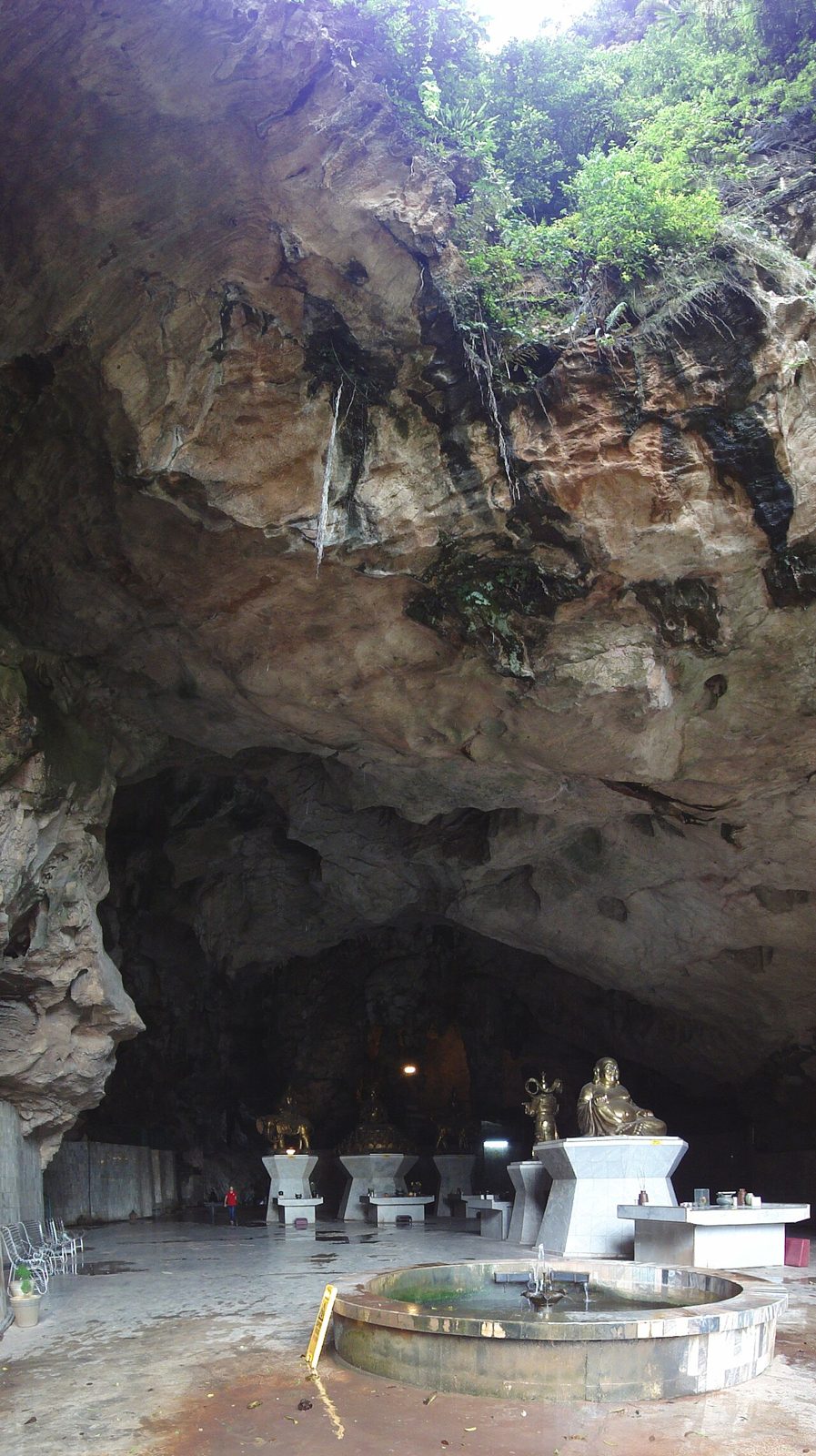
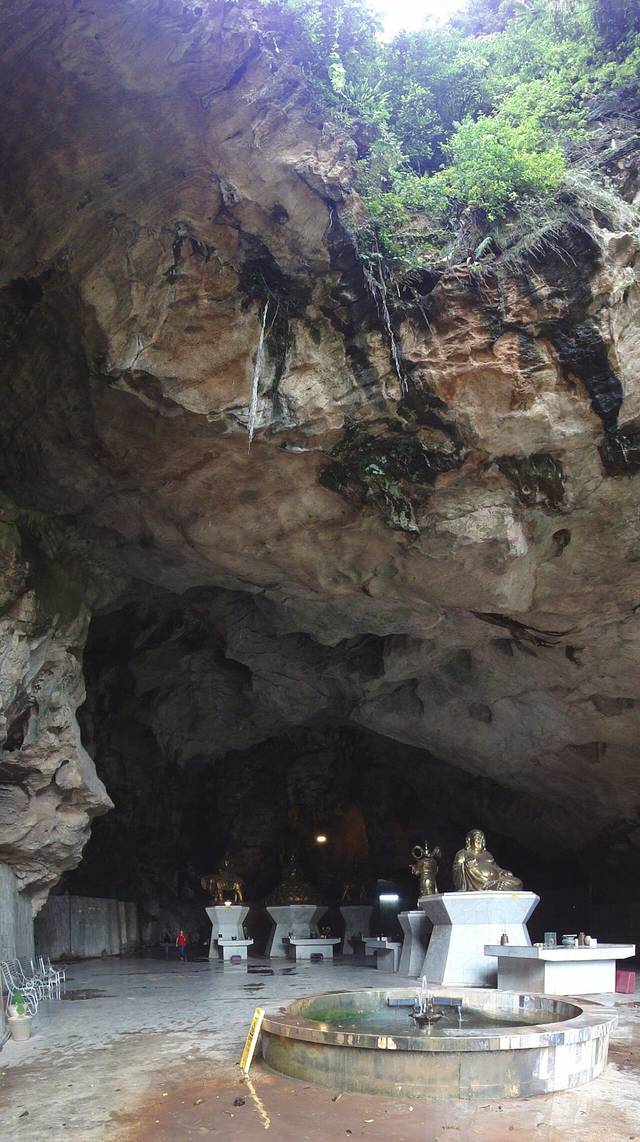
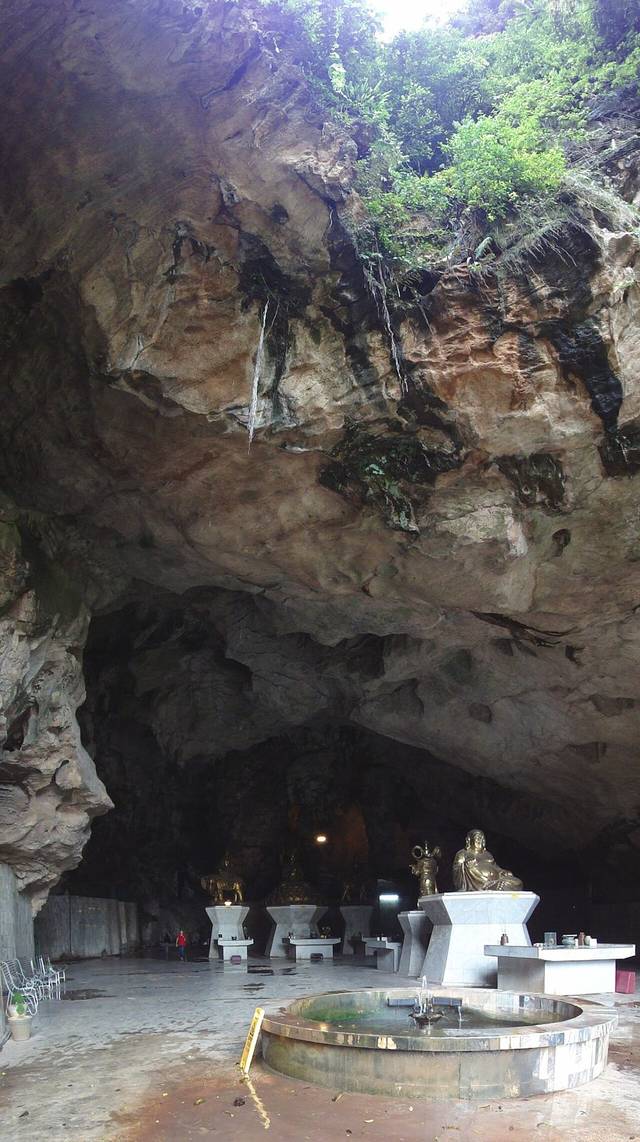
Kek Lok Tong, the Cave of Ultimate Bliss, is a large natural cavern filled with Buddhist statues, altars and paintings. A passage at the back leads out into a garden with a lake, enclosed by limestone cliffs.
Older listings give a 4:30 pm closing time and staff may close sections earlier, so arrive by 4 pm at the latest. The garden walk adds 20 to 30 minutes.
Ling Sen Tong
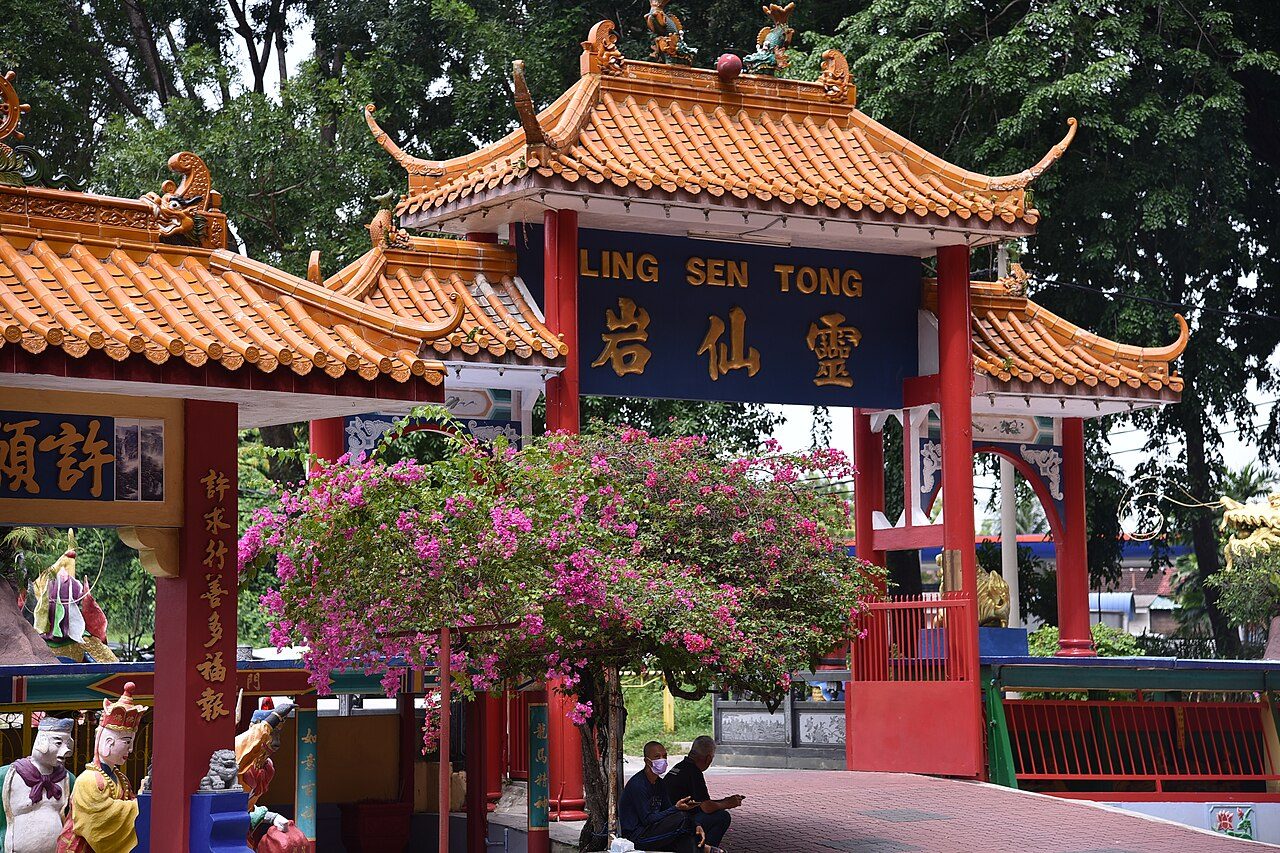
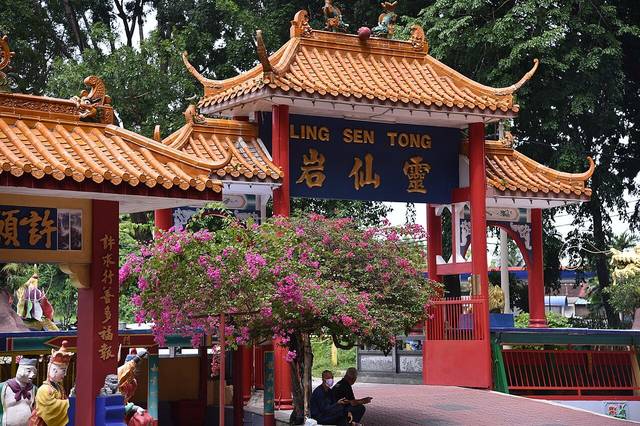
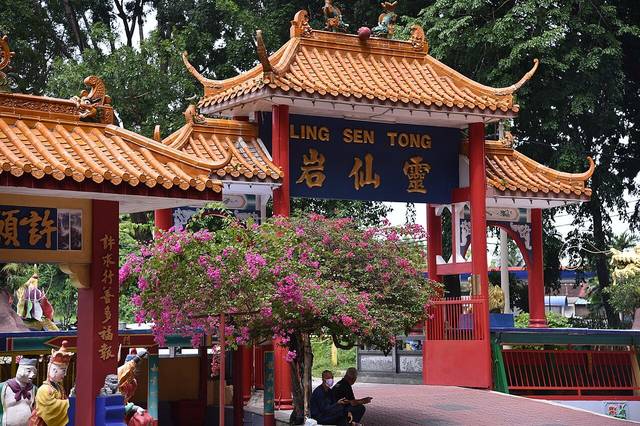
Ling Sen Tong is a Taoist temple known for its bright red pillars, yellow roof tiles and a forecourt full of colourful statues, among them zodiac animals and figures from Chinese legend. The cave behind it holds shrines, offerings and a reclining Buddha.
It sits in the same cluster as Nam Thean Tong and Sam Poh Tong, a short drive or long walk apart. The forecourt is the main photo stop; stay respectful near the altars.
Nam Thean Tong
Nam Thean Tong is a Taoist and Buddhist cave temple beside Sam Poh Tong, one of the older cave temples in Ipoh. Local worshippers come daily, so it feels more like a neighbourhood temple than a tourist stop.
It is quick to visit, around 20 to 30 minutes, and is easy to combine with Ling Sen Tong next door.
Enlightened Heart Tibetan Buddhist Temple
This Nyingma Tibetan Buddhist temple complex in Tambun was founded around 1976 by Ge Li Rinpoche, on the eastern edge of Ipoh. Its prayer hall, stupa and colourful Tibetan-style decoration are unusual for Malaysia.
We could not find current opening hours, so confirm access with the temple before you travel. Treat it as a place of practice, not only a photo stop.
Hindu Temple in Ipoh
Kallumalai Arulmigu Subramaniar Temple
The Kallumalai temple is dedicated to Lord Murugan and is the main Thaipusam temple in Ipoh. It began in a cave on Gunung Cheroh in 1889; the cave temple was closed a few years later after a falling rock killed a priest. The seven-tier gopuram is about 21 metres high and carries hundreds of painted figures.
Thaipusam crowds are very large. Outside festival days it is quiet; check the temple for current darshan times, and remove shoes before the inner hall.
Mosques in and near Ipoh
Panglima Kinta Mosque (Masjid Panglima Kinta)
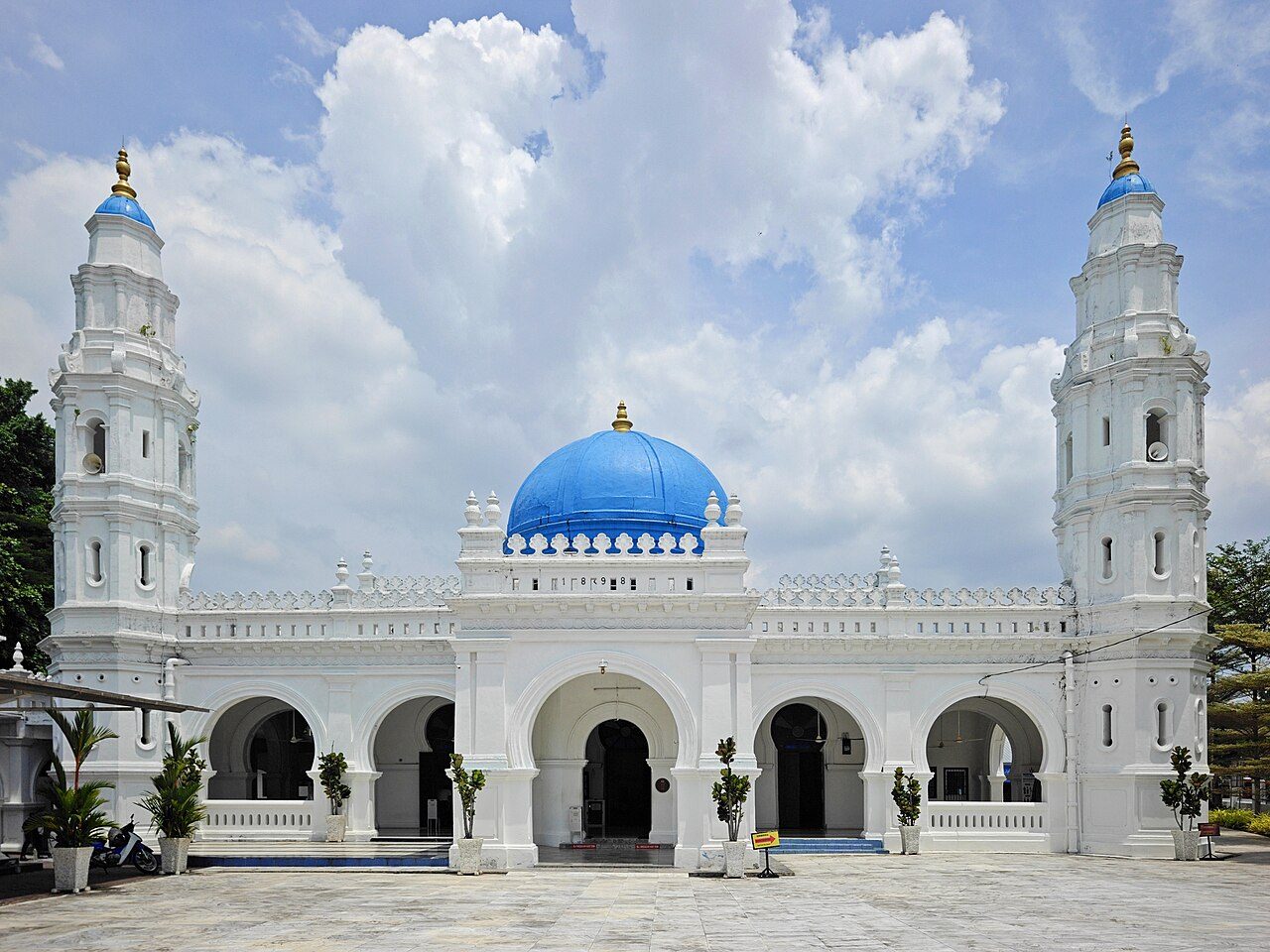
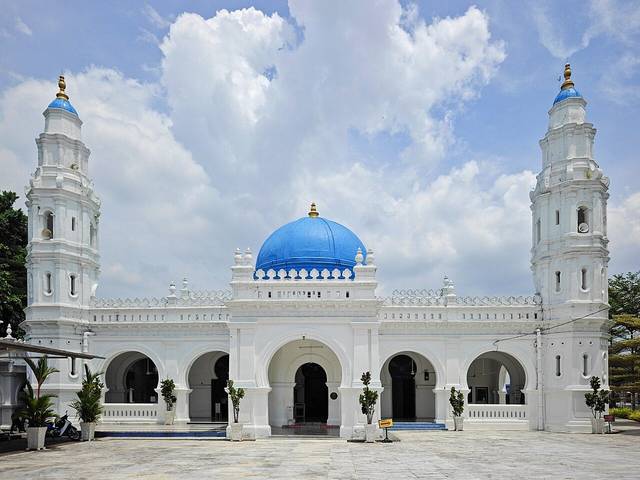
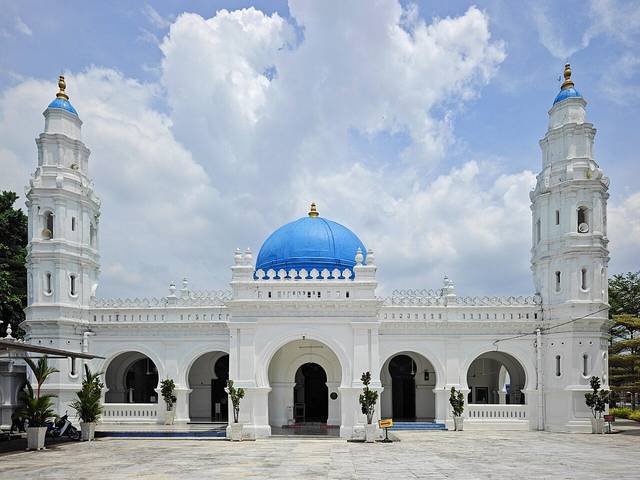
Panglima Kinta Mosque was built in 1898 by Dato Panglima Kinta Mohamed Yusof in memory of his wife, who died that year. It is painted white and blue with a blue dome and twin minarets, and it stands on the east bank of the Kinta River in the New Town.
It is a working mosque with a small museum and burial ground on the grounds. Ask at the mosque office before going in.
Sultan Idris Shah II Mosque (Masjid Sultan Idris Shah II)
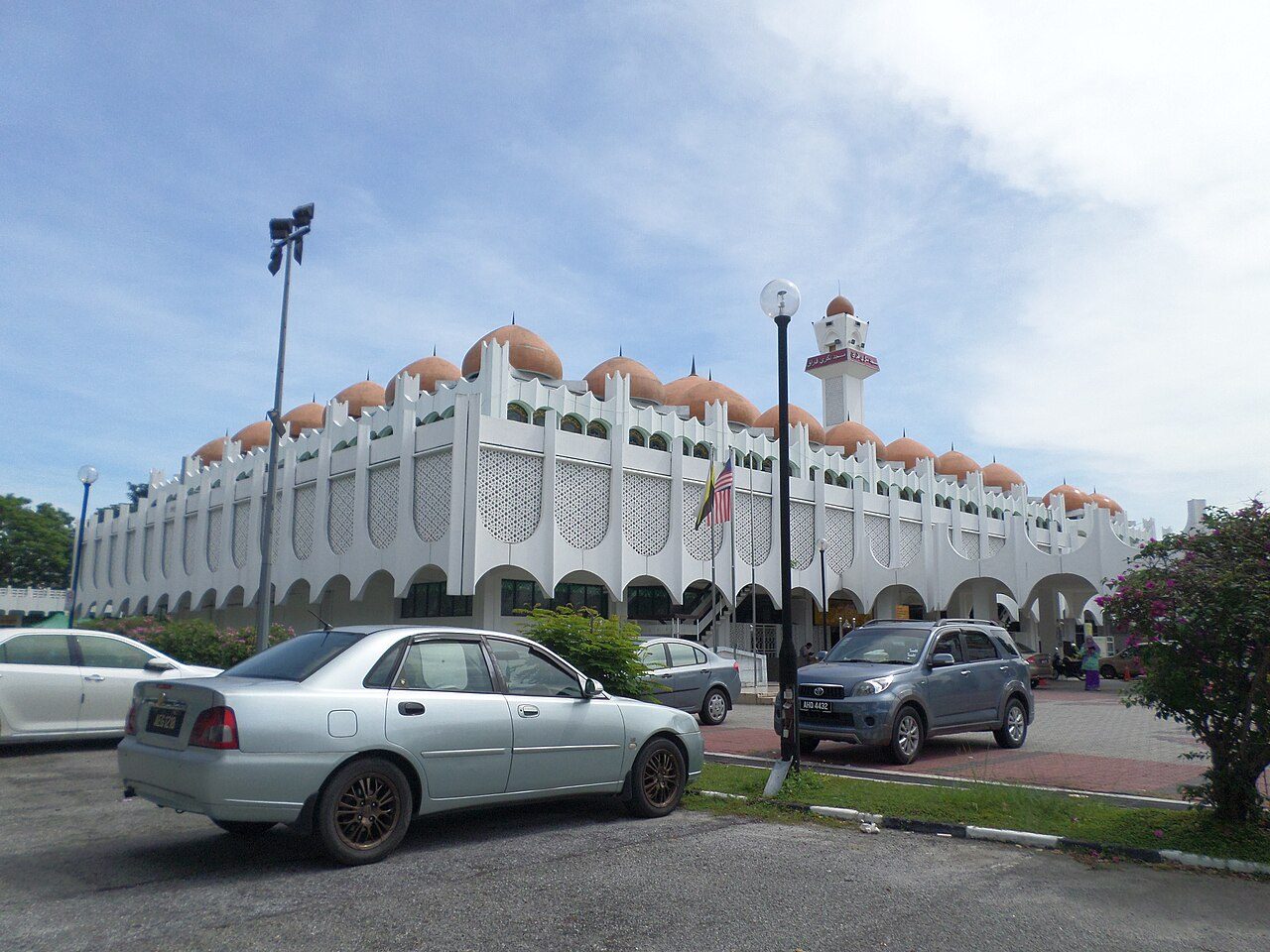
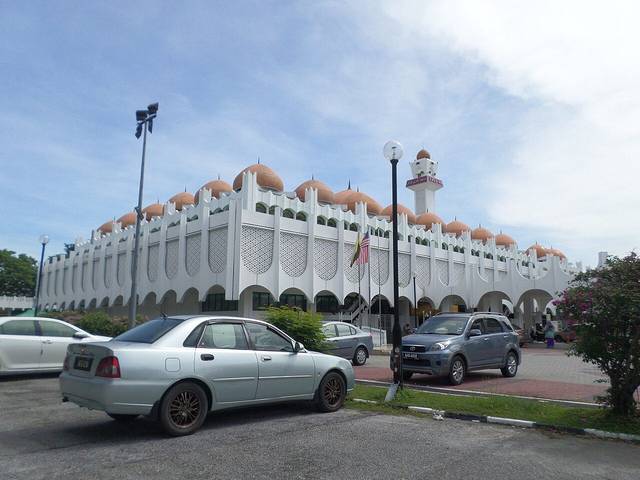
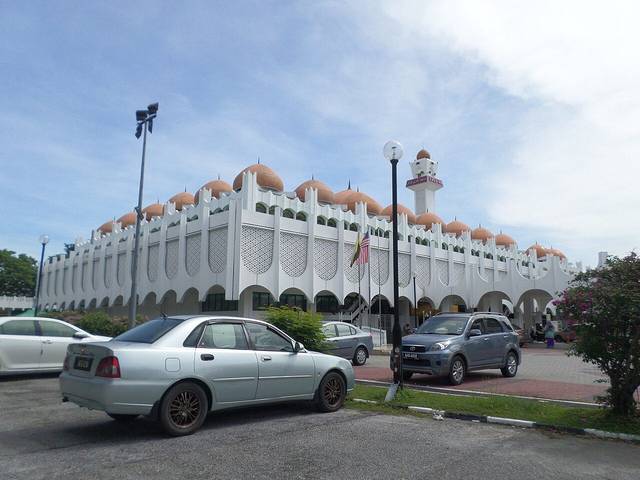
This is the state mosque of Perak. Construction began in 1966 and finished in 1968, and Sultan Idris Shah II opened it officially in 1978. It is a modern white building with a scalloped roofline, within walking distance of the railway station.
Visitor rules are set by the mosque office. Dress modestly and confirm access before going.
Ubudiah Mosque
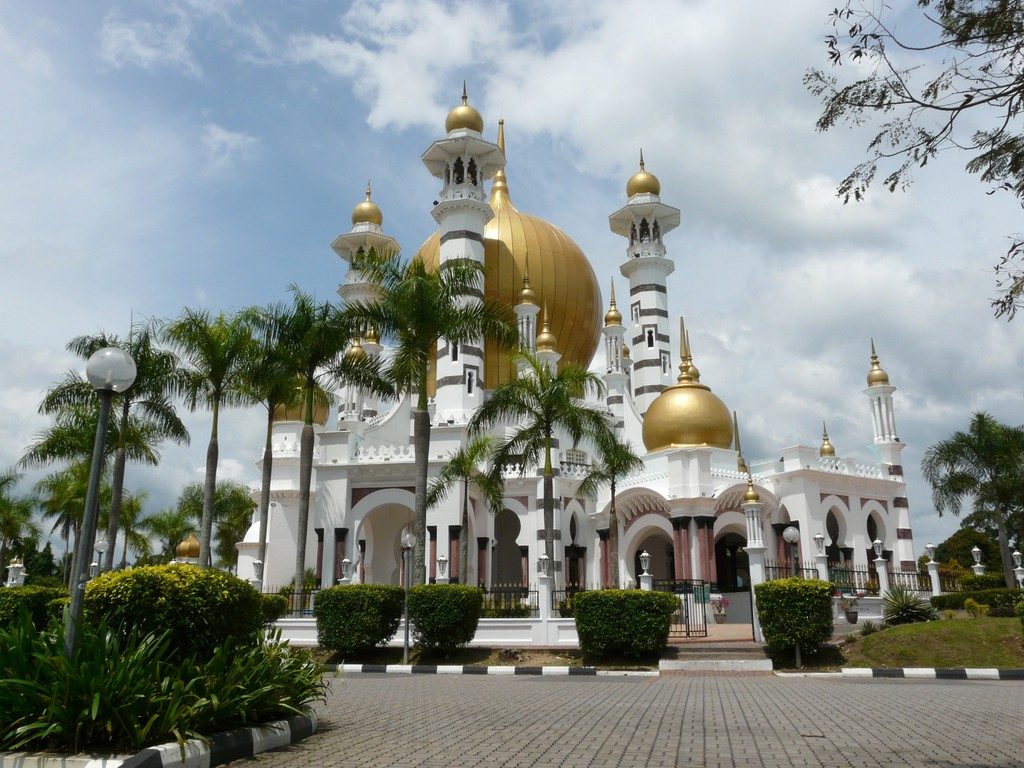
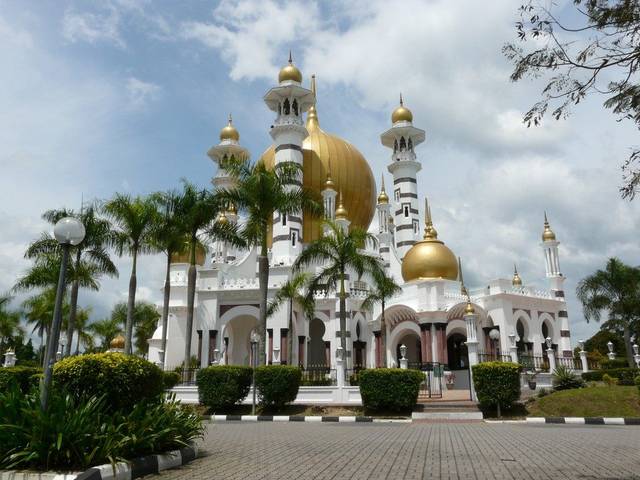
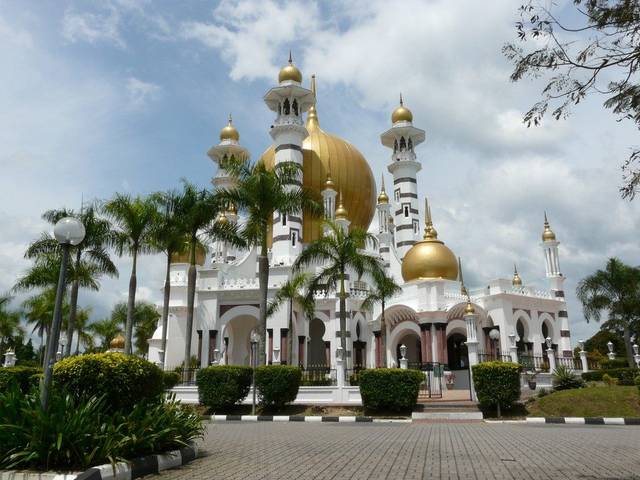
Ubudiah Mosque is the royal mosque of Perak, beside the sultan's palace in Kuala Kangsar, with golden domes and white minarets. It is one of the most photographed mosques in Malaysia.
It is a day trip from Ipoh of around 50 minutes each way. Visitors should check access with the mosque before going.
Church in Ipoh
St Michael's Church
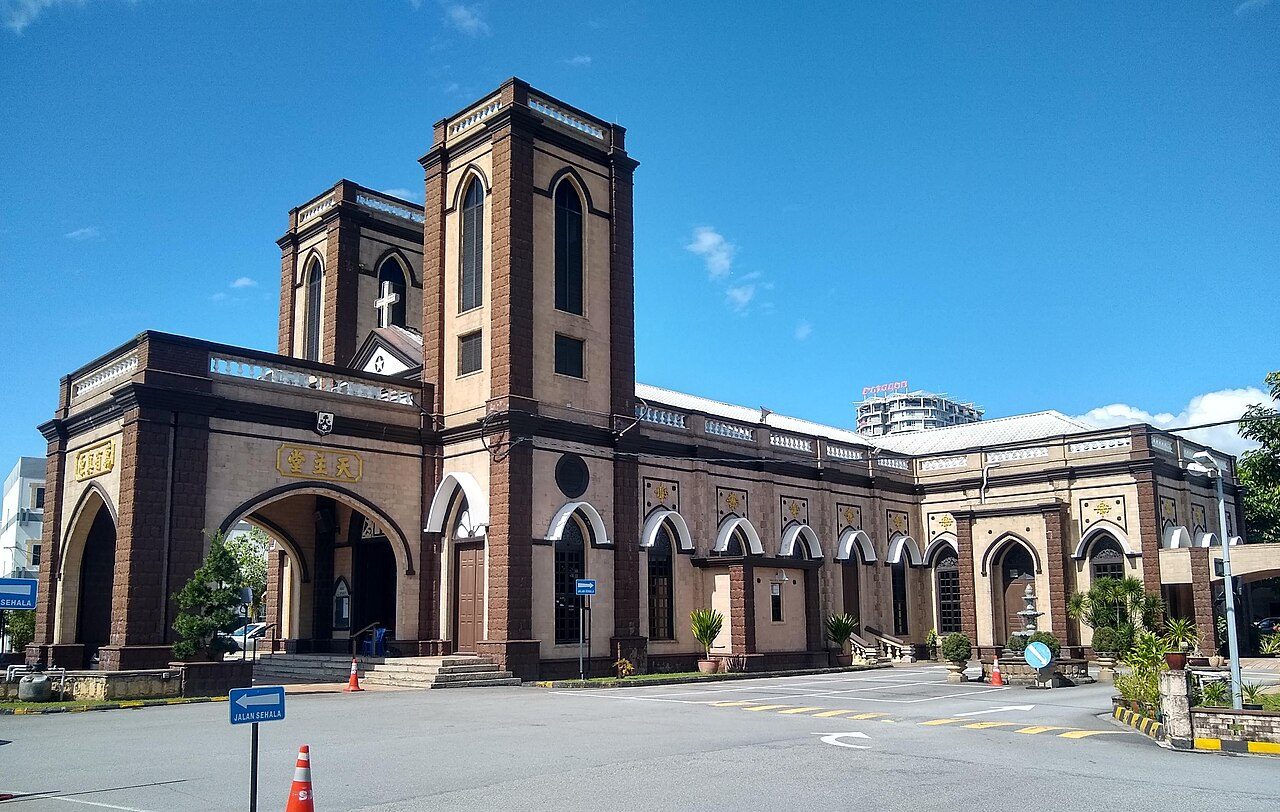
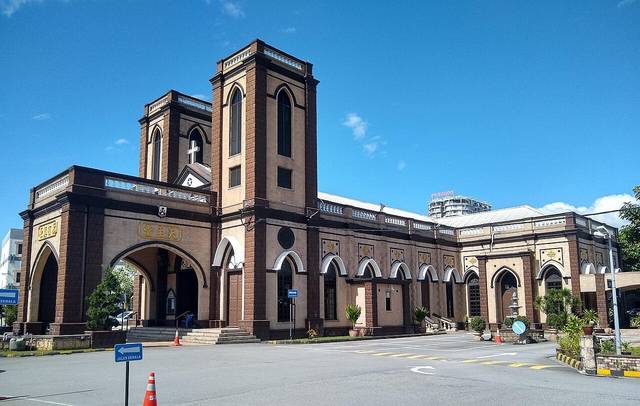
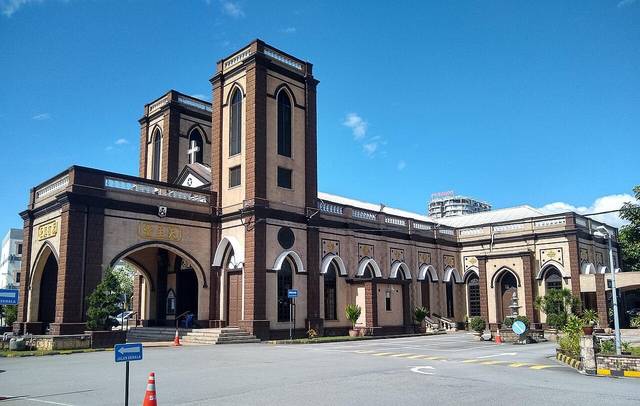
St Michael's is the main Roman Catholic church in Ipoh. The parish was founded in 1890 by Father Emile Barillon of the Paris Foreign Missions Society. The present brick church has a tall central tower.
Visit outside Mass, and ask the parish office before photographing the inside. Weekday mornings are quietest.
How to Visit Ipoh Temples in One Day
The four Gunung Rapat temples (Sam Poh Tong, Nam Thean Tong, Ling Sen Tong and Kek Lok Tong) sit close together south of the city, and you can see all four in about three hours. Perak Tong lies north of the city on Jalan Kuala Kangsar, so pair it with Gunung Lang or the Kallumalai temple rather than the Gunung Rapat group.
Go in the morning. The cave temples are cooler and quieter early, and Sam Poh Tong in particular is reported to close earlier than its neighbours. Rain can make the steps at Perak Tong slippery.
For mosques, check with the mosque office before visiting, avoid prayer times (especially Friday midday), and expect to borrow a robe or headscarf if your clothing is not suitable. Churches hold services on set days; do not walk in during Mass.
Ipoh Temples: FAQ
What are the best cave temples in Ipoh?
Perak Tong, Sam Poh Tong, Kek Lok Tong, Ling Sen Tong and Nam Thean Tong are the best known. All have free entry. Perak Tong has the large golden Buddha and a stair climb, Kek Lok Tong opens onto a garden inside the hills, and Sam Poh Tong has a turtle pond.
Do Ipoh temples charge an entrance fee?
No. All 11 places in this guide have free entry. Cave temples accept donations, and some places charge a small fee for shoe-minding or parking.
What time do the Ipoh cave temples close?
Older listings give closing times between 4:30 pm and 5 pm, but we could not confirm current hours. Sam Poh Tong has been listed as closing as early as 1:30 pm, and Kek Lok Tong may close sections before 4:30 pm. Visit in the morning to be safe.
What should I wear to Ipoh temples and mosques?
Cover your shoulders and knees at all of them. Take your shoes off before entering prayer halls. At mosques, women may be asked to cover their hair, and some mosques lend robes at the entrance.
Can non-Muslims visit mosques in Ipoh?
Policies vary by mosque and by time of day. Ask at the mosque office, avoid prayer times and Friday midday, and follow the guidance of the staff. We could not confirm set visiting hours for Panglima Kinta Mosque, Sultan Idris Shah II Mosque or Ubudiah Mosque.